Florida’s heat and humidity aren’t just uncomfortable; they can be dangerous. Every summer, our emergency medicine team sees dogs with signs of heatstroke: a condition that progresses quickly and can be fatal without fast care. At BluePearl Brandon, we’re here 24/7 to respond the moment signs appear.
What puts dogs at risk of heatstroke?
Pets overheat much faster than people. Risk factors include:
- Being left in a car or direct sunlight
- Exercising during peak heat or humidity
- Lack of access to shade or water
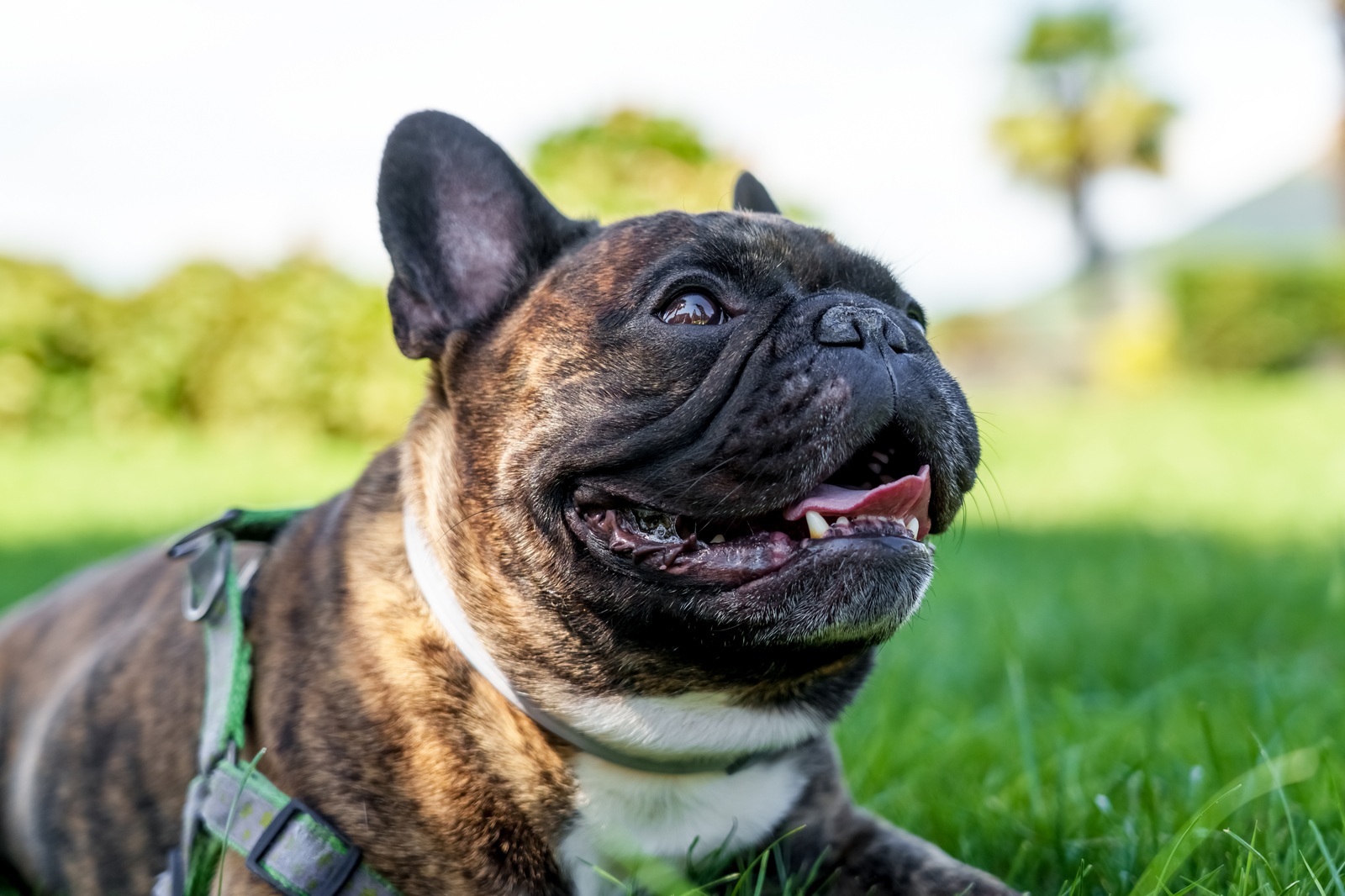
- Flat-faced breeds (like bulldogs or pugs)
- Older pets or those with heart or lung disease
- Thick-coated dogs in humid conditions
Warning signs of heatstroke in dogs.
If your dog shows any of these symptoms, seek emergency care:
- Excessive panting or difficulty breathing
- Bright red gums or glazed eyes
- Weakness, vomiting, or collapse
- Uncoordinated movement or confusion
- Seizures or unresponsiveness
What to do before arriving at the ER.
- Move your dog to a shaded, air-conditioned space
- Wet your dog’s paws, belly, and groin with cool (not cold) water
- Offer small sips of water if your dog is alert
- Call BluePearl Brandon and prepare to leave immediately
Do not delay – heatstroke escalates quickly and affects multiple organs.
How BluePearl Brandon treats heatstroke.
When your dog arrives, we may:
- Administer IV fluids and cooling therapies
- Monitor blood pressure, oxygen, and clotting
- Run bloodwork to assess organ function
- Hospitalize your dog for observation and support
Even with treatment, heatstroke can be serious, but fast care improves outcomes.
Questions about heatstroke in dogs — FAQ.
Dogs are more susceptible to overheating than humans, and several factors can increase their risk of heatstroke. Leaving a pet in a car or direct sunlight can quickly lead to dangerous temperature elevations. Exercising during peak heat or humidity further exacerbates the risk, especially if there is a lack of access to shade or water. Certain breeds, particularly flat-faced ones like bulldogs or pugs, are more prone to heat-related issues due to their anatomy. Older pets or those with pre-existing heart or lung disease are also at higher risk. Additionally, dogs with thick coats may struggle more in humid conditions, making them vulnerable to heatstroke.
Recognizing the symptoms of heatstroke is crucial for seeking timely emergency care. If your dog exhibits excessive panting or has difficulty breathing, these are early indicators of overheating. Bright red gums or glazed eyes can signal distress. Weakness, vomiting, or collapse are serious symptoms that require immediate attention. Uncoordinated movement or confusion may also occur as the condition progresses. In severe cases, seizures or unresponsiveness can develop, highlighting the urgency of the situation.
If you suspect your dog is experiencing heatstroke, take immediate action to cool them down. Move your dog to a shaded or air-conditioned area to lower their body temperature. Wet their paws, belly, and groin with cool (not cold) water to aid in cooling. If your dog is alert, offer small sips of water to prevent dehydration. It is essential to call BluePearl Brandon and prepare to leave for the emergency room without delay, as heatstroke can rapidly escalate and affect multiple organs.
Upon arrival at BluePearl Brandon, our team is equipped to provide comprehensive care for dogs suffering from heatstroke. We may administer IV fluids and cooling therapies to stabilize your pet's condition. Monitoring of blood pressure, oxygen levels, and clotting is conducted to assess the severity of the situation. Bloodwork is performed to evaluate organ function and determine the appropriate course of treatment. In many cases, hospitalization is necessary for observation and supportive care. While heatstroke is a serious condition, prompt and effective treatment significantly improves the chances of a positive outcome.
Related articles.