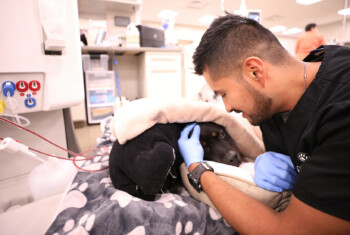
What are seasonal allergies in pets?
Seasonal allergies in pets, sometimes called atopic dermatitis or environmental allergies, happen when a dog or cat’s immune system overreacts to substances in the environment. Common triggers include pollen from trees, grasses, weeds and mold spores that change with the seasons.
In pets, allergies usually affect the skin and ears, rather than causing sneezing and watery eyes like they do in people. At BluePearl, our dermatology teams frequently treat pets whose seasonal allergies affect their comfort, quality of life and overall health.
Allergies are not contagious, but they are chronic. While they can’t be cured, they can be effectively managed with the right diagnosis and treatment plan.
What are the clinical signs and symptoms of allergies in pets?
The most common sign of seasonal allergies in pets is itching (pruritus). This can range from mild to severe and may worsen during certain times of the year.
You might notice:
- Excessive scratching, licking, or chewing
- Red, inflamed skin
- Hair loss or thinning coat
- Recurrent ear infections
- Face rubbing
- Paw licking (often leading to red or stained fur)
- Skin infections with bacteria or yeast
- Thickened or darkened skin over time
Dogs commonly itch around the face, ears, belly, armpits, groin, and paws. Cats may overgroom, develop scabs (especially around the head and neck), or experience recurrent ear issues.
If untreated, chronic inflammation can lead to secondary infections that require more intensive care.
What causes seasonal allergies in pets?
Seasonal allergies happen when a pet’s immune system overreacts in response to environmental allergens such as:
- Tree pollen (often worse in spring)
- Grass pollen (late spring and summer)
- Weed pollen (late summer and fall)
- Mold spores (can be seasonal or year-round depending on climate)
There is often a genetic component, meaning certain breeds are more likely to get them.
In dogs, some breeds, such as Labrador retrievers, golden retrievers, bulldogs, and terriers, are more commonly affected. However, any breed (including mixed breeds) can develop allergies.
Over time, what begins as seasonal may progress to year-round symptoms as pets become sensitive to additional allergens.
Getting a diagnosis for your pet’s allergies.
Diagnosing seasonal allergies is a step-by-step process. There is no single blood test that simply says, “your pet has seasonal allergies.”
Our dermatology teams take a comprehensive approach:
1. Detailed history
We review when your pet’s symptoms started, whether they’re seasonal, previous treatments, diet history, and their response to any medications you’ve tried.
2. Physical examination
A thorough dermatologic exam helps identify patterns that suggest environmental allergies and detect secondary infections.
3. Rule out other causes
Before diagnosing atopic dermatitis, we must rule out:
- Flea allergy
- Food allergies
- Skin parasites (such as mites)
- Hormonal disorders
- Primary bacterial or yeast infections
This may involve skin testing, cytology (microscopic evaluation of skin cells), fungal testing, and in some cases, diet trials.
4. Allergy testing
Once environmental allergies are strongly suspected, allergy testing may be recommended. This can include:
- Intradermal skin testing (similar to testing performed in human allergy clinics)
- Blood (serologic) allergy testing
These tests help us identify specific allergens and guide advanced therapies such as immunotherapy.
Our board-certified dermatologists and veterinary clinicians collaborate to ensure an accurate diagnosis and comprehensive care plan.
Questions to ask your vet.
When meeting with your veterinarian, consider asking:
- Is this likely seasonal or year-round?
- Are there any secondary infections present?
- Do we need to rule out food allergies?
- What short-term treatments will provide relief?
- What are the long-term management options?
- Is allergy testing appropriate for my pet?
- What are the risks and benefits of each treatment?
An informed pet owner is a powerful partner in managing chronic skin disease.
Treatments.
Treatment is tailored to each individual pet. The goal is to control itching, prevent infections, and improve quality of life.
Medications to control itching
- Targeted oral medications
- Injectable therapies
- Short courses of corticosteroids (when appropriate)
- Topical treatments
Our dermatology service prioritizes therapies that are both safe and effective for long-term use.
Treatment of secondary infections
Bacterial and yeast infections are very common in allergic pets and must be treated with:
- Topical therapies
- Oral medications
- Medicated shampoos
Addressing infections often significantly reduces itching.
Immunotherapy (allergy shots or oral drops)
If allergy testing identifies specific triggers, allergen-specific immunotherapy may be recommended. This is the only treatment that addresses the underlying immune response rather than just controlling symptoms.
Immunotherapy can:
- Reduce medication dependence
- Improve long-term control
- Provide sustained relief
Ear care
Chronic ear infections are common in allergic pets. We provide advanced otic evaluations and tailored ear treatment protocols to prevent recurrence.
Prevention.
While we can’t completely eliminate environmental allergens, you can reduce exposure by:
- Wiping paws and coat after outdoor time
- Bathing regularly with veterinarian-recommended shampoos
- Using year-round flea prevention
- Washing bedding frequently
- Using air filtration systems indoors
For pets with predictable seasonal flares, starting medications before peak allergy season can significantly reduce symptoms.
Early intervention often prevents severe flare-ups.
Prognosis.
The prognosis for seasonal allergies is excellent with proper management.
Although allergies are lifelong, most pets can live comfortable, happy lives with a well-designed treatment plan. The key is partnership between pet owners, primary veterinarians, and the dermatology specialty team.
If your pet’s itching is persistent, worsening, or not responding to standard treatment, referral to a specialty dermatology service can make a meaningful difference.
When to seek specialty or emergency care.
Contact a veterinary professional promptly if your pet experiences:
- Severe, nonstop itching
- Rapid swelling of the face or hives
- Painful ear infections
- Open sores or draining wounds
- Sudden lethargy or collapse
BluePearl’s dermatology teams are equipped to manage both chronic dermatologic disease and urgent allergic reactions, ensuring your pet receives expert care when it matters most.
If you suspect your pet may be suffering from seasonal allergies, we’re here to help. Our dermatology specialists combine advanced diagnostics with compassionate, individualized care so your pet can feel comfortable in every season.