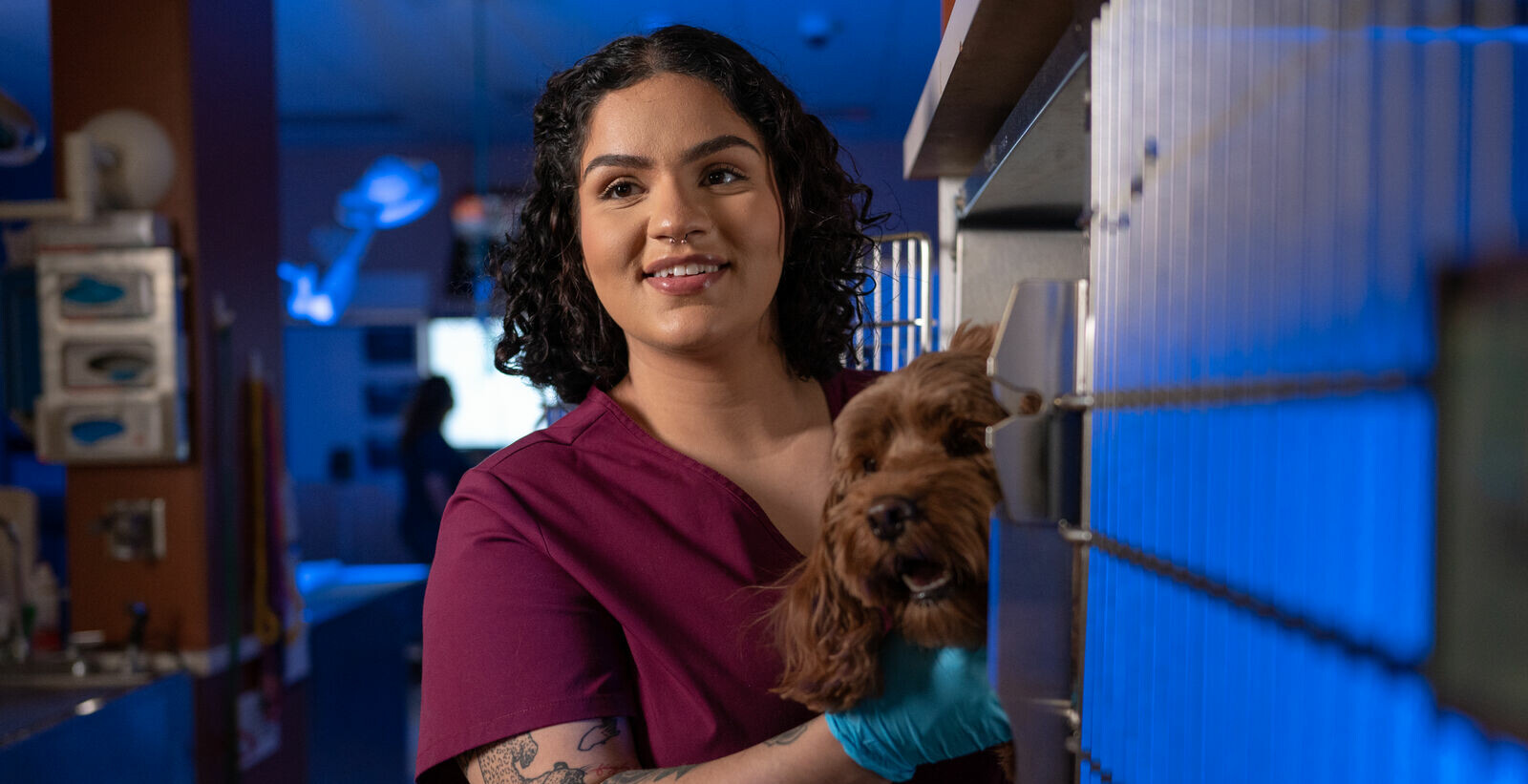
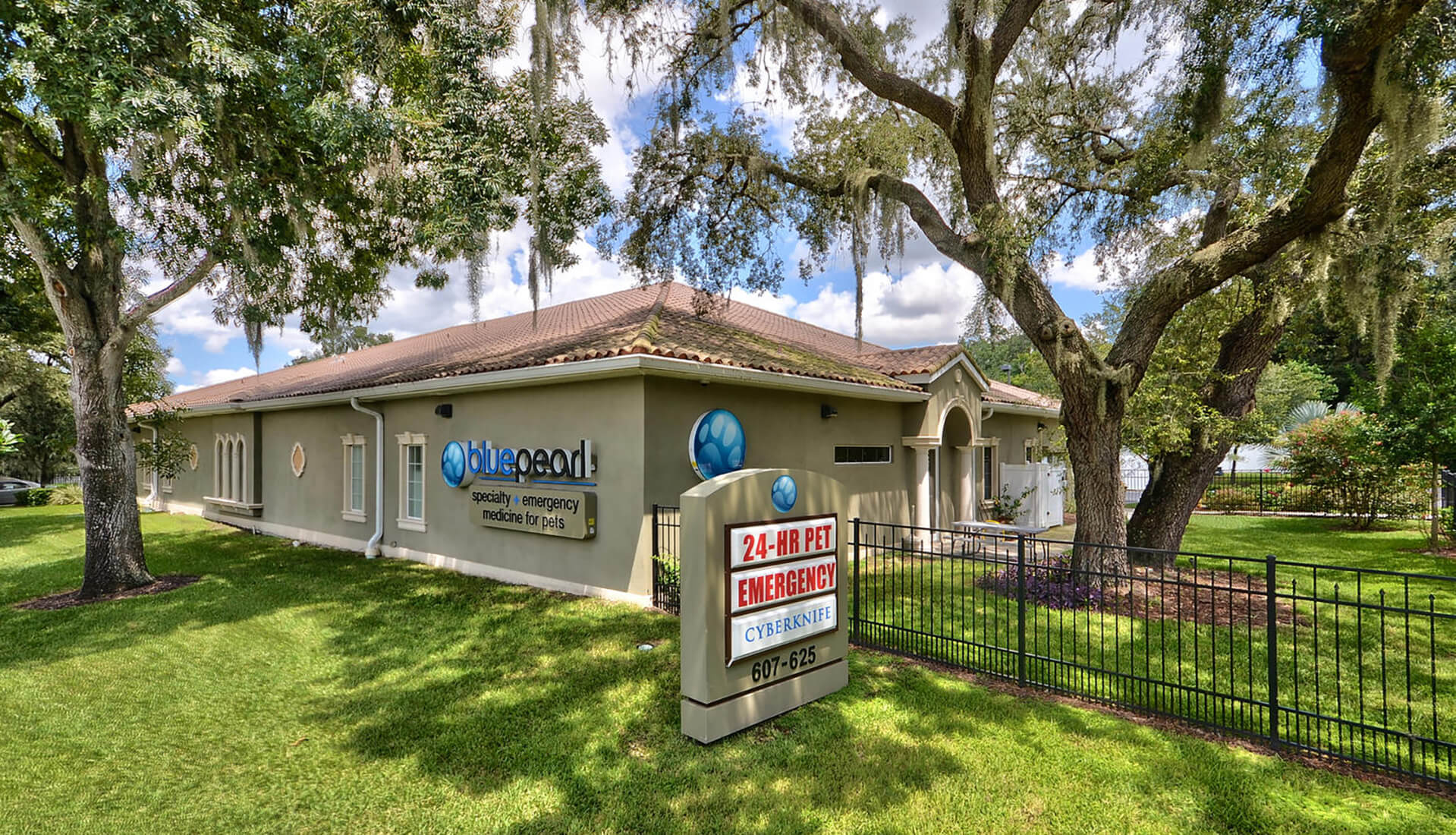
In a pet emergency, every minute counts. Whether it’s late at night, over the weekend, or while your primary vet is closed, having access to expert care can be life-saving. At BluePearl Brandon, our emergency team is available 24/7 to stabilize, diagnose, and treat pets when they need help most.
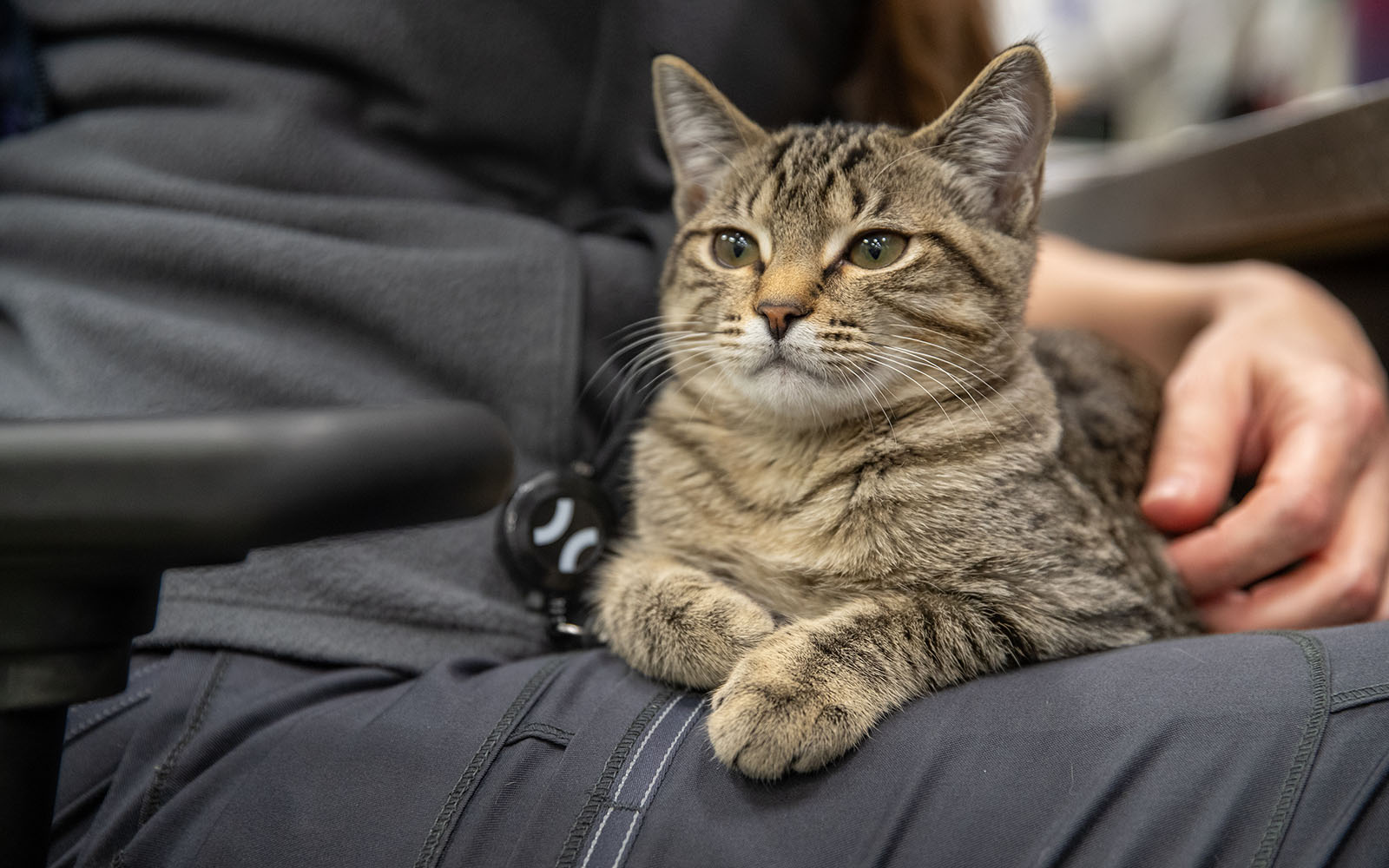
Why 24/7 emergency care matters in Brandon.
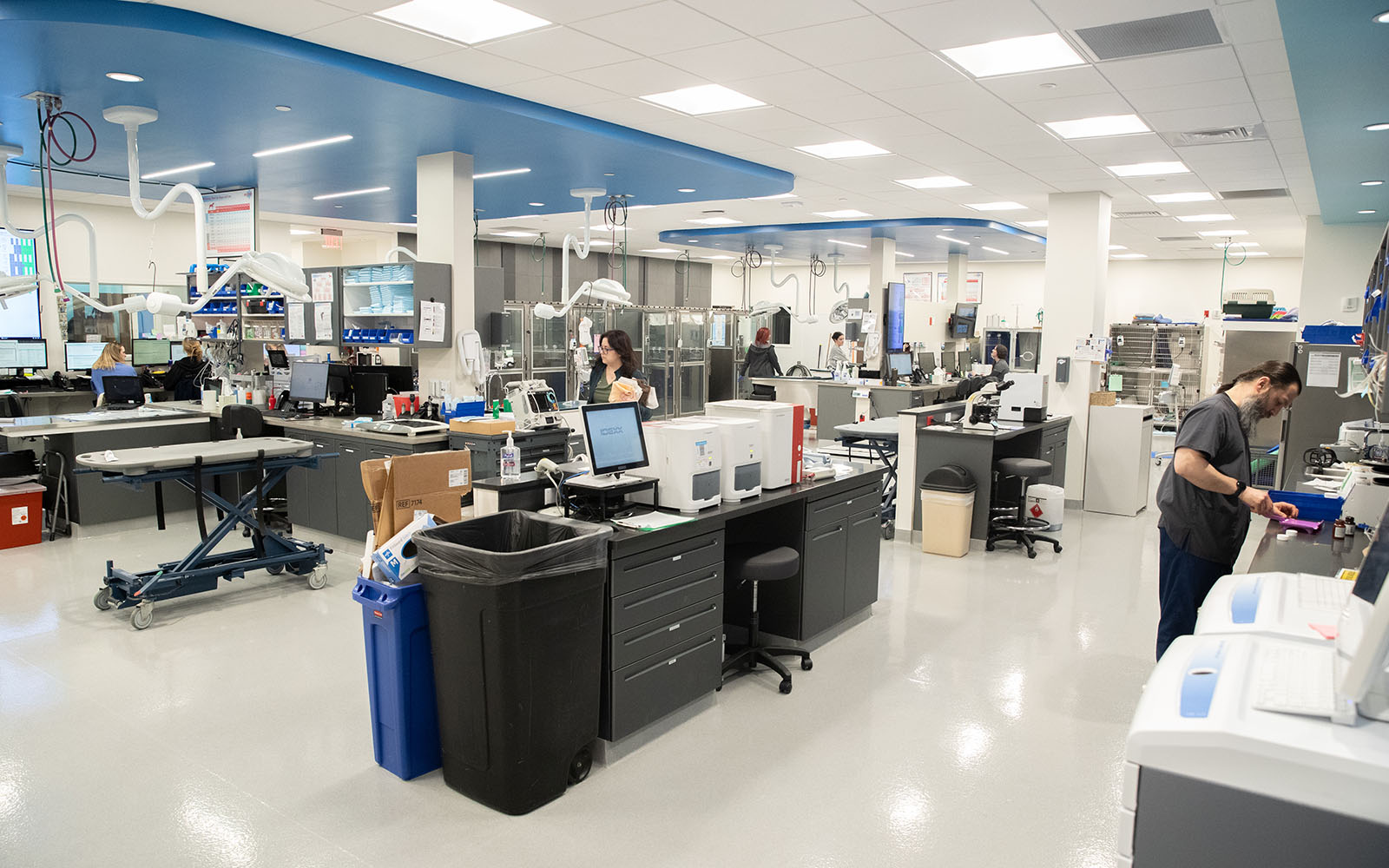
Our facility is fully staffed and equipped around the clock, including:
- Veterinarians with advanced training in emergency and critical care
- On-site diagnostics like bloodwork, x-rays, and ultrasound
- Oxygen therapy and IV fluids
- Surgical suites for urgent procedures
- Isolation wards to prevent the spread of contagions
We also stay prepared for Florida-specific risks like heatstroke, snake bites, storm injuries, and toxin ingestion.
What kinds of emergencies we treat.
We frequently treat:
- Trauma: Car accidents, bites, falls, and wounds
- Heatstroke: Especially during Florida’s hot seasons
- Collapse or respiratory distress: Sudden weakness or labored breathing
- Seizures and neurological changes
- Toxin ingestion: From landscaping chemicals to human medications
- Gastrointestinal issues: Repeated vomiting, diarrhea, or bloating
If your pet seems off and you’re unsure, call us. We’ll help you decide whether to come in.
What to expect when you arrive at our 24-hour ER.
Here’s how our process works:
- Triage on arrival: A technician evaluates your pet’s condition immediately. Life-threatening cases are treated first.
- Medical assessment: Our veterinarian examines your pet and recommends diagnostics. We’ll discuss options, costs, and next steps before proceeding.
- Treatment or hospitalization: Based on your pet’s condition, we may discharge with medications or admit for overnight care and monitoring.
- Follow-up: We send a detailed report to your primary veterinarian to ensure seamless ongoing care.
Emergency pet care at BluePearl Brandon — FAQ.
Having round-the-clock emergency care is vital for pet owners in Brandon. Our facility is fully staffed with veterinarians who possess advanced training in emergency and critical care, ensuring that your pet receives the highest level of expertise when it matters most. We are equipped with on-site diagnostics, including bloodwork, x-rays, and ultrasound, allowing for rapid assessment and treatment. Our capabilities extend to oxygen therapy, IV fluids, and surgical suites for urgent procedures, all designed to stabilize and treat pets effectively. Additionally, we maintain isolation wards to prevent the spread of contagious diseases, ensuring a safe environment for all our patients. We are also prepared to handle Florida-specific risks, such as heatstroke, snake bites, storm injuries, and toxin ingestion.
At BluePearl Brandon, we are equipped to handle a wide range of pet emergencies. Common cases include trauma from car accidents, bites, falls, and wounds. We are particularly vigilant during Florida's hot seasons, as heatstroke can be a significant concern. Other emergencies we frequently address include respiratory distress, seizures, neurological changes, and toxin ingestion from household chemicals or medications. Gastrointestinal issues, such as repeated vomiting, diarrhea, or bloating, are also treated promptly. If you notice any unusual behavior in your pet and are uncertain about the severity, do not hesitate to call us for guidance.
When you arrive at BluePearl Brandon, our process is designed to ensure your pet receives the best possible care. Initially, a technician will perform a triage evaluation to assess your pet's condition, prioritizing life-threatening cases. Following this, our veterinarian will conduct a thorough medical assessment and recommend necessary diagnostics. We believe in transparent communication, so we will discuss treatment options, associated costs, and next steps before proceeding. Depending on your pet's condition, we may discharge them with medications or admit them for overnight care and monitoring. To ensure continuity of care, we will send a detailed report to your primary veterinarian after your visit.
Related articles.