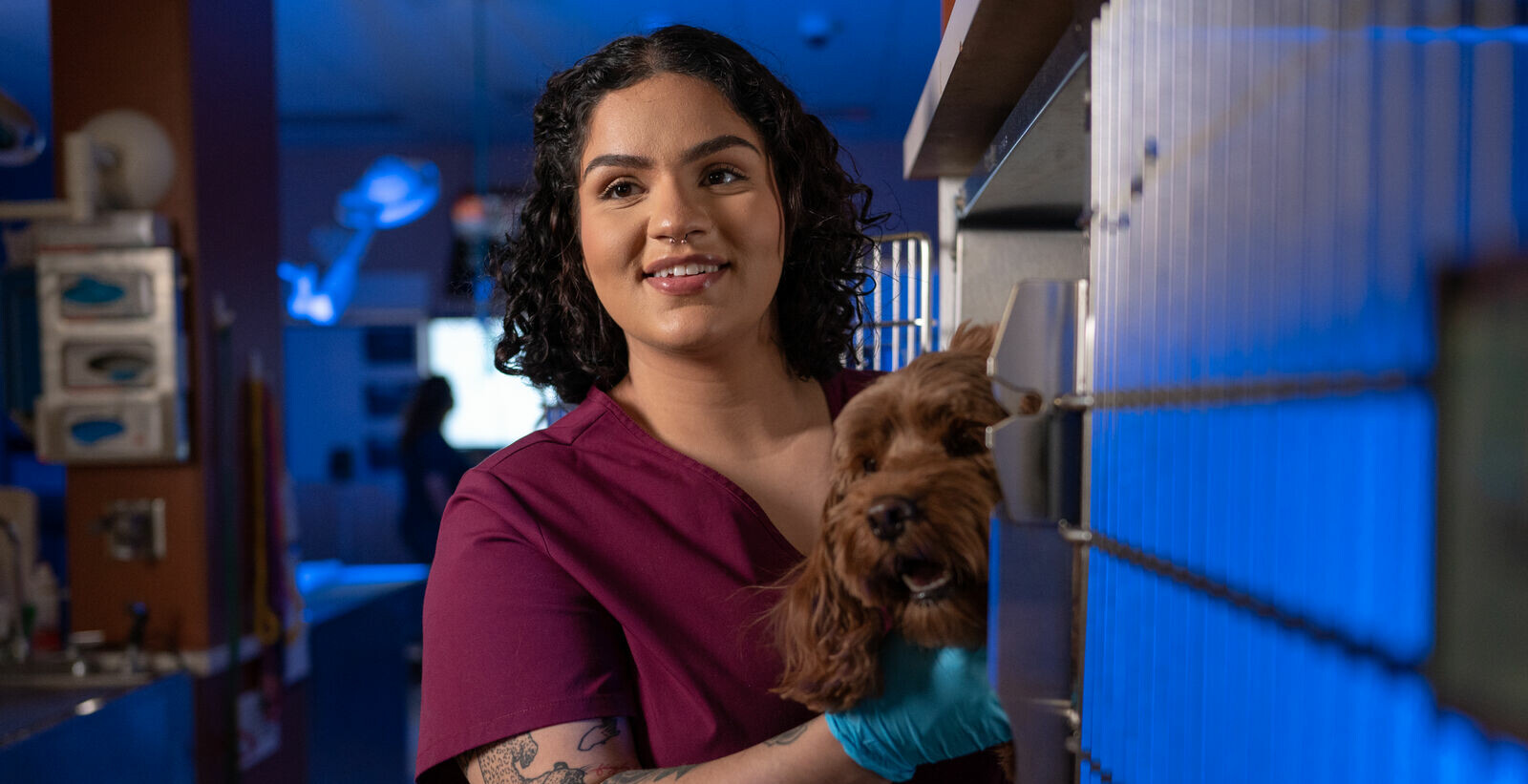
Collapse and breathing problems are two of the most urgent veterinary emergencies. In many cases, acting quickly can mean the difference between life and death. If your pet is weak, unresponsive, or struggling to breathe, the BluePearl Brandon emergency medicine department is open 24/7 to provide immediate care.
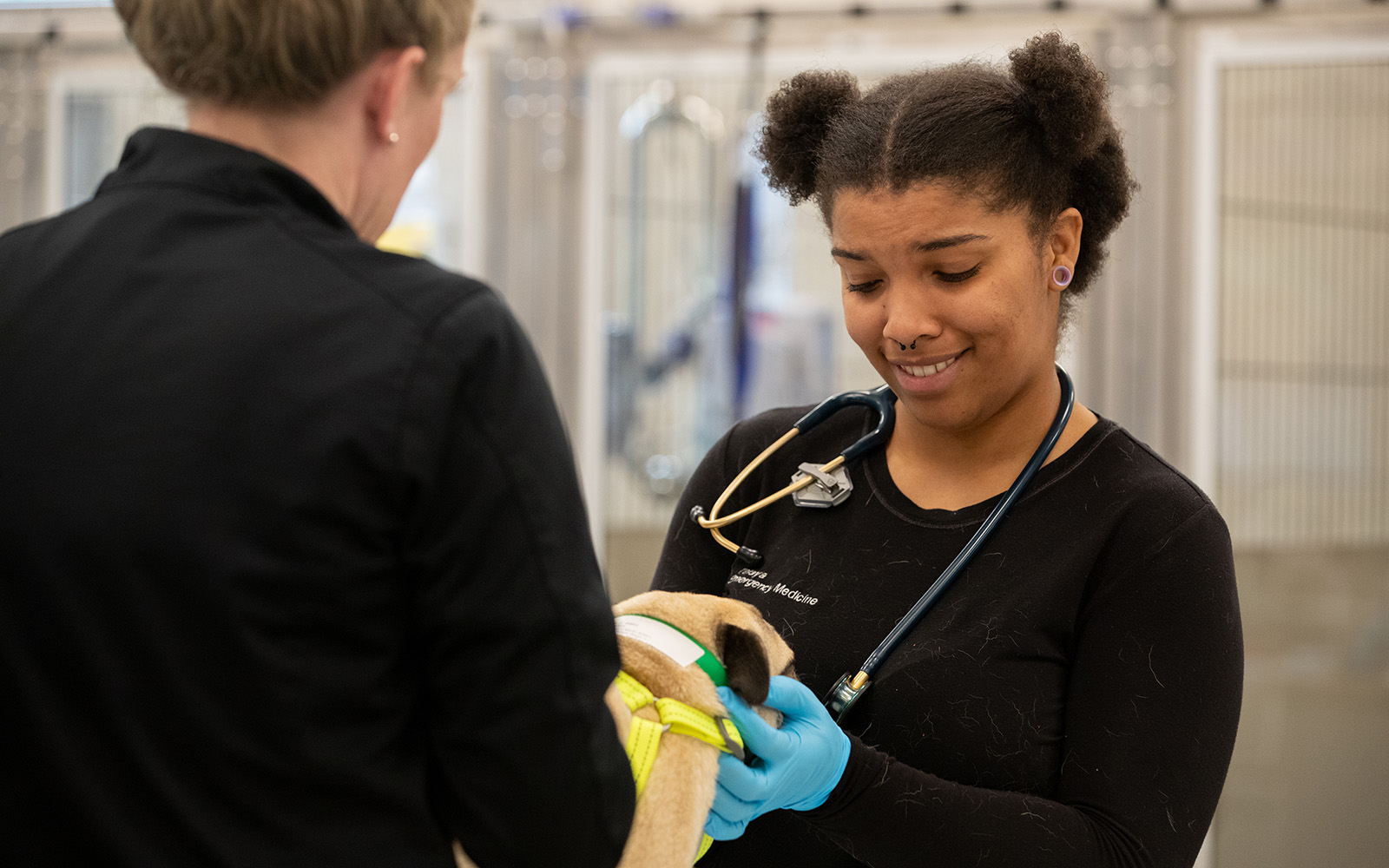
Signs that mean it’s time to act.
Seek emergency care right away if your pet:
- Is gasping or breathing with effort
- Has blue, gray, or pale gums
- Collapses or suddenly cannot stand
- Is unresponsive or dazed
- Has noisy breathing or excessive panting
- Faints or shows signs of heatstroke
These symptoms can indicate heart failure, airway obstruction, heatstroke, toxin exposure, or other life-threatening conditions.
What to do on the way to the ER.
- Try to keep your pet calm and cool
- Minimize handling if your pet is in distress
- Avoid placing anything in the mouth
- Call ahead so our team can prepare
- Secure your pet in a carrier or on a flat surface
Do not delay – every minute matters in these situations.
How BluePearl Brandon handles critical cases.
When you arrive, our emergency team will:
- Perform triage immediately
- Provide oxygen or IV access if needed
- Conduct rapid diagnostics (x-rays, ultrasound, bloodwork)
- Begin treatment to stabilize the heart, lungs, and circulation
- Monitor closely in a critical care setting if required
We also stay in contact with your family veterinarian for follow-up planning.
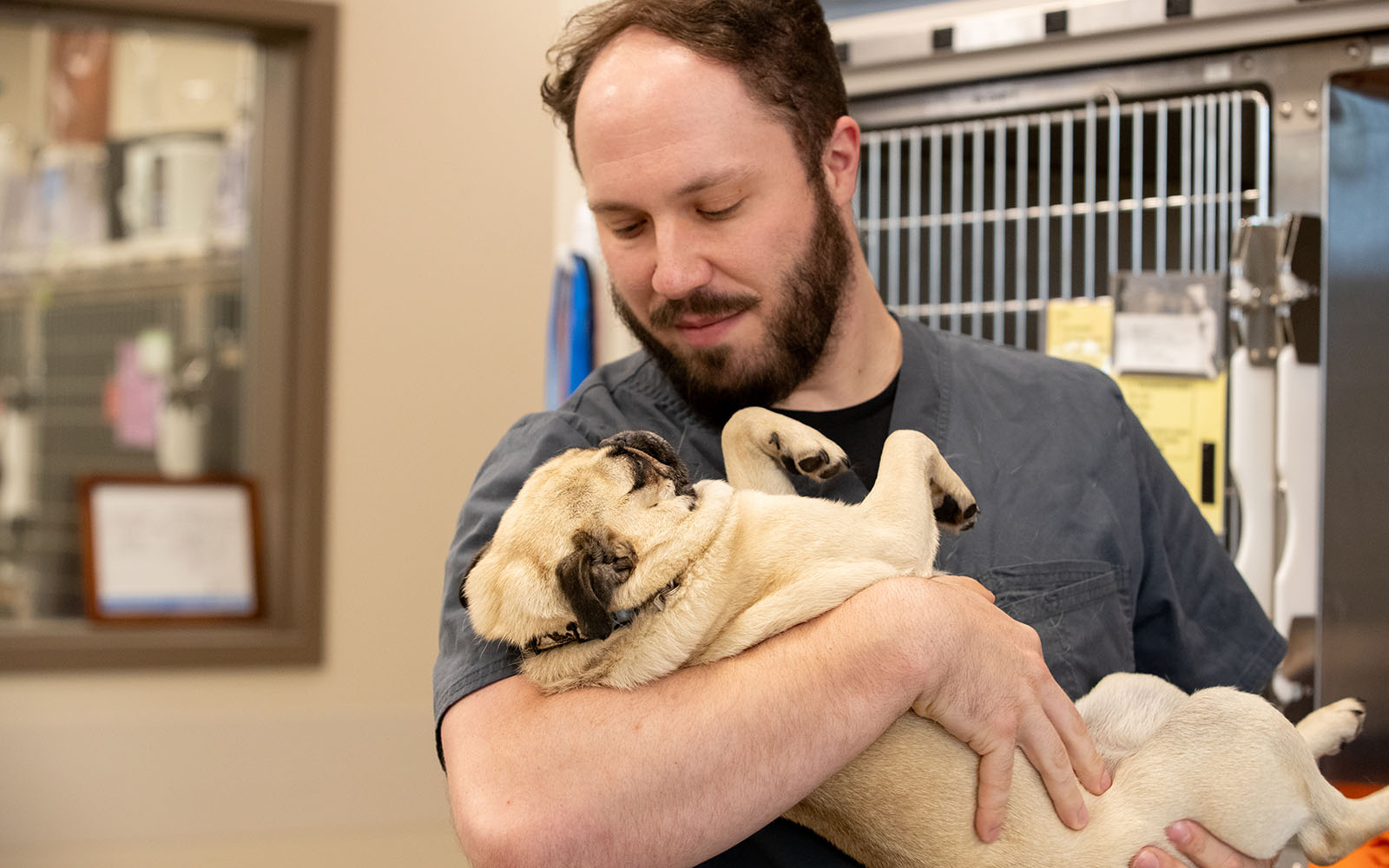
Collapse and breathing emergencies in pets — FAQ.
Certain symptoms in pets necessitate immediate veterinary attention. If your pet is gasping or breathing with effort, it is a clear sign of distress. Blue, gray, or pale gums can indicate a lack of oxygen or poor circulation, both of which are serious concerns. If your pet collapses or suddenly cannot stand, this could be a sign of a severe underlying issue. Unresponsiveness or a dazed state also requires urgent care. Noisy breathing or excessive panting can indicate airway obstruction or respiratory distress. Additionally, fainting or signs of heatstroke are critical symptoms that should not be ignored. These signs may point to conditions such as heart failure, airway obstruction, heatstroke, toxin exposure, or other life-threatening issues.
When transporting your pet to the emergency room, there are several important steps to follow. First, try to keep your pet calm and cool to prevent further stress or overheating. Minimize handling if your pet is in distress, as excessive movement can exacerbate their condition. Avoid placing anything in your pet's mouth, as this can obstruct breathing. It is advisable to call ahead to BluePearl Brandon so our team can prepare for your arrival. Secure your pet in a carrier or on a flat surface to ensure their safety during transport. Remember, every minute counts in these situations, so do not delay in seeking care.
Upon arrival at BluePearl Brandon, our emergency team is prepared to act swiftly. We perform triage immediately to assess the severity of your pet's condition. If necessary, we provide oxygen or establish IV access to stabilize your pet. Rapid diagnostics, including x-rays, ultrasound, and bloodwork, are conducted to identify the underlying issue. Our team begins treatment to stabilize the heart, lungs, and circulation as quickly as possible. If required, your pet will be closely monitored in a critical care setting to ensure their safety and recovery. We maintain communication with your family veterinarian to coordinate follow-up care and ensure a seamless transition for ongoing treatment.

Related articles.