Critical Care by BluePearl New York NY

BluePearl Pet Hospital
Midtown NYC
New York, NY
Critical Care

24/7 Emergency and Specialty

Pet critical care by BluePearl.

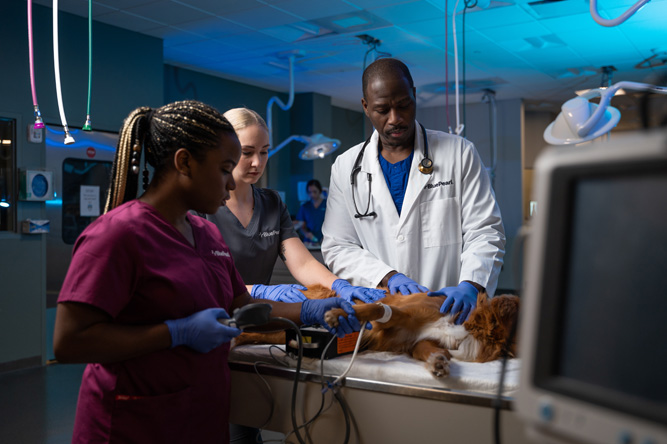
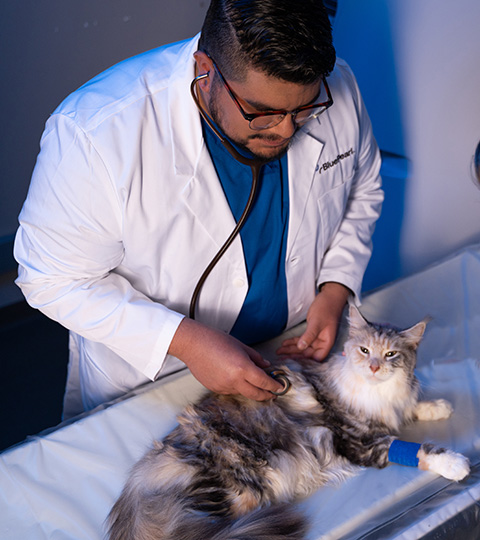
A veterinarian examines a cat using a stethoscope.

Conditions treated

Learn which conditions our specialty team can help diagnose and treat, so your pet gets the right care for their needs.
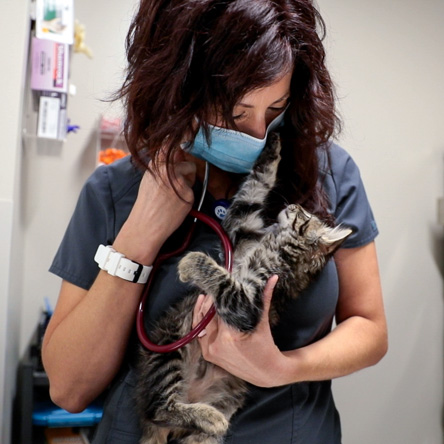
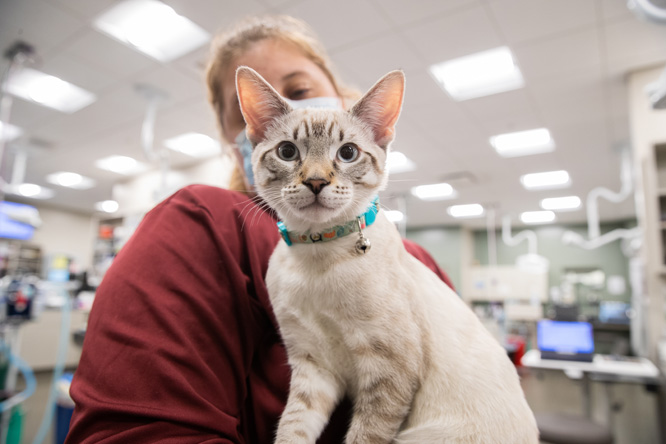
A BluePearl critical care vet listens to a kitten’s chest through a stethoscope while cradling it in her arms.

Success stories

Discover how other pets have overcome their diagnoses with specialized care, giving you hope for your pet’s recovery.
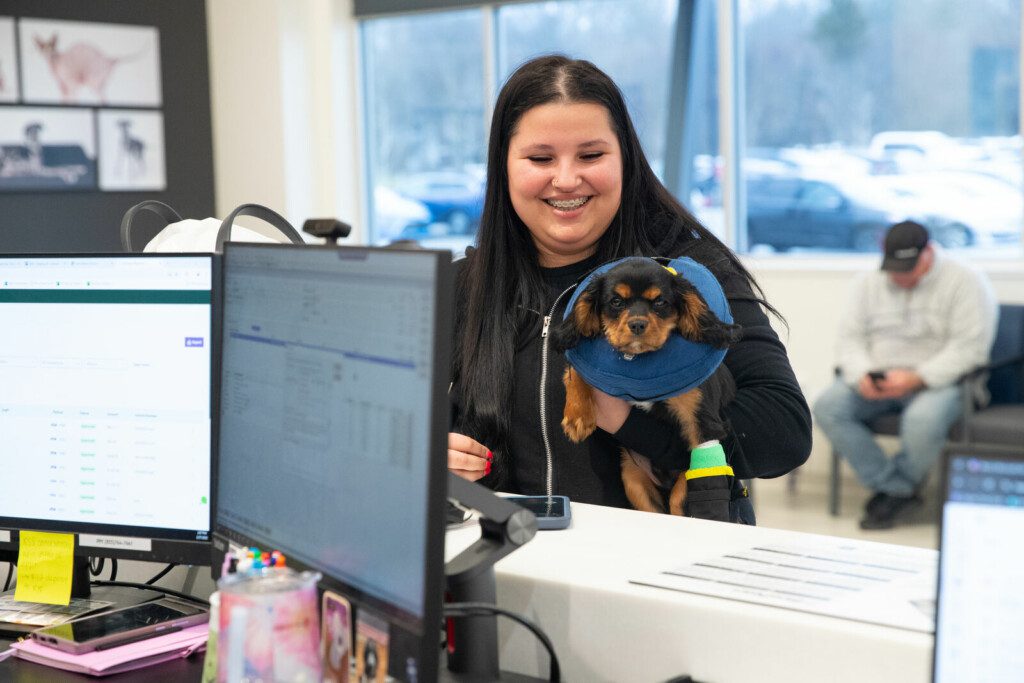
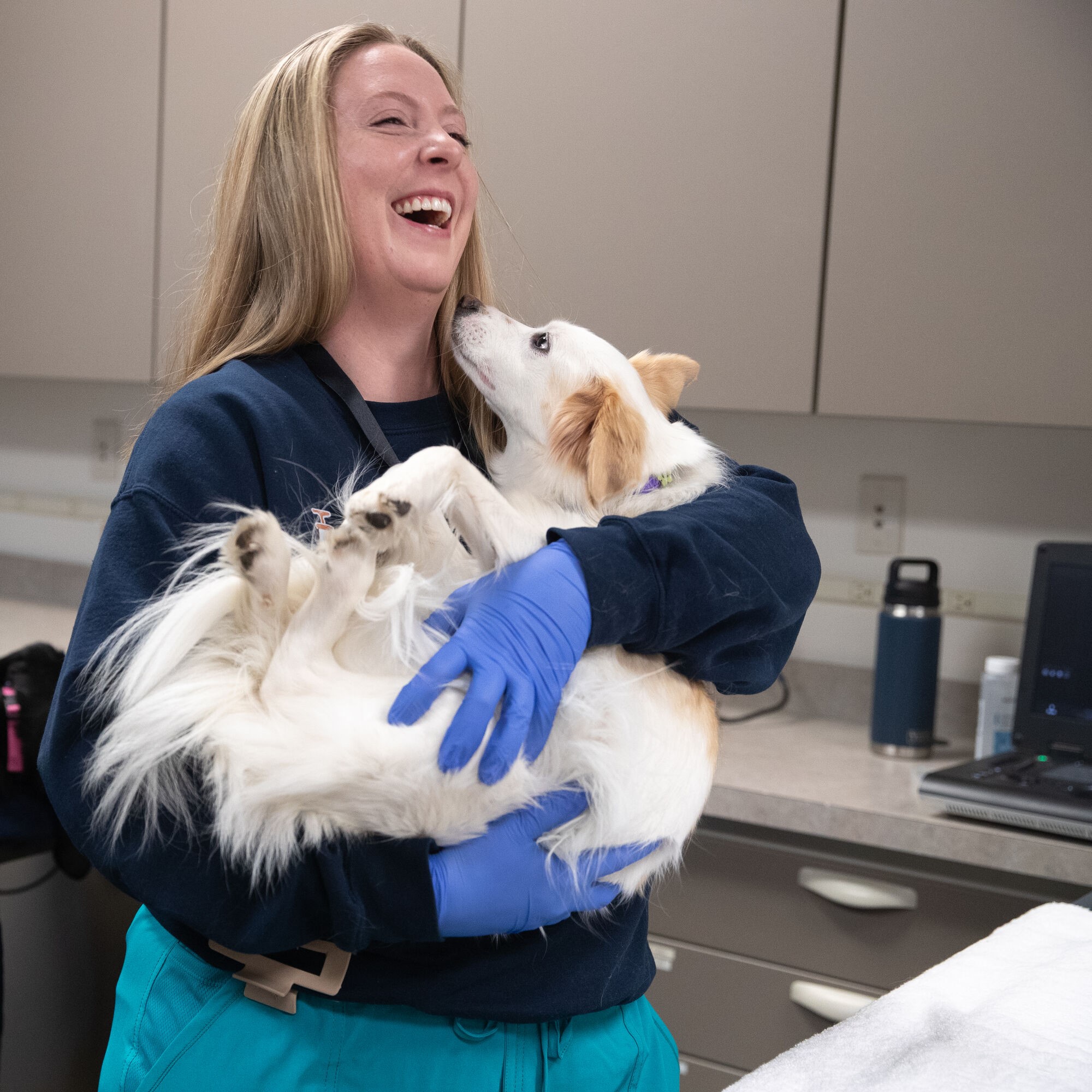
A BluePearl client smiles while holding her dog at the front desk of the animal hospital.

Call the hospital

Take the next step toward answers and getting the care your pet needs by connecting with our hospital team.

Pet emergencies can be scary – we’re here to help you handle them. 

We understand that seeing your pet sick, hurt or in distress can be stressful – especially if you don’t know what’s wrong. Fortunately, our experienced critical care clinicians are prepared to take action to provide lifesaving care.
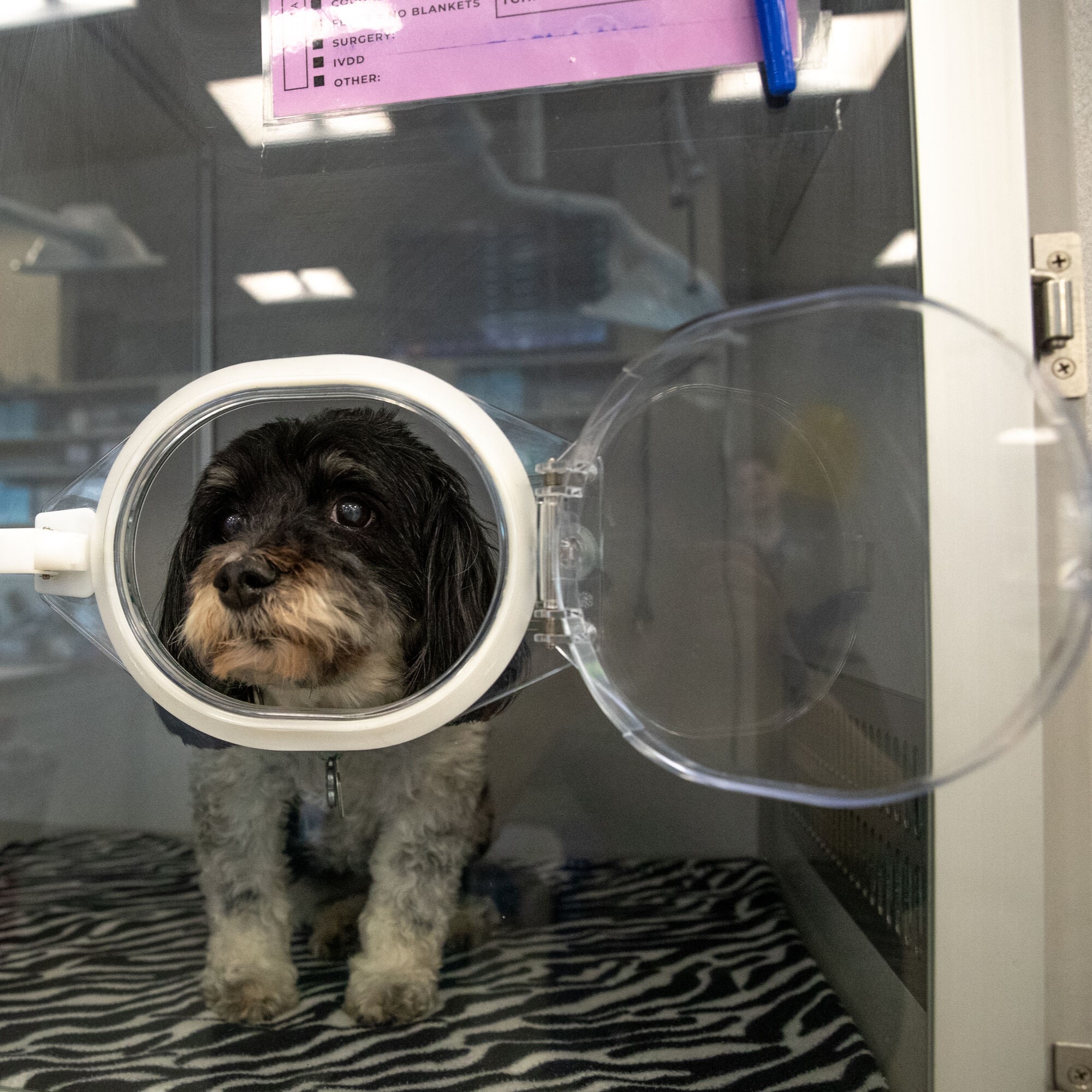
Dog peeks out of a oxygen kennel

Conditions we treat.

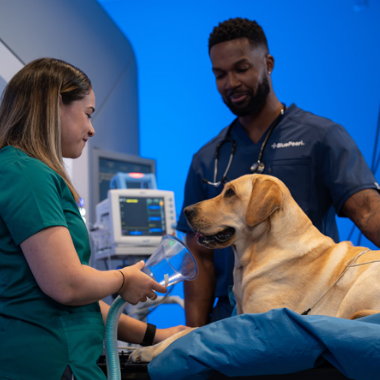
A BluePearl anesthesiology and pain management vet prepares to fix an anesthetic facemask on a yellow lab while a vet tech helps hold the dog on the exam table.

If your pet is experiencing a critical condition, you’ll have an entire veterinary team helping them so you can get back to what matters most – spending precious moments together. 

Common cases that we see in the ICU include:  

  • Post-surgery recovery 
  • Trauma
  • Sepsis
  • Respiratory distress
  • Pneumonia
  • Shock

Services we offer.

Your pet will receive unparalleled medical care during their time at the hospital (and they’ll be spoiled with love and attention, too).

Advanced diagnostics

Your pet can’t tell us what’s wrong, so we use sophisticated diagnostics and imaging tools to uncover the source of the problem. 

  • Blood/urine testing 
  • Electrocardiography (ECG) 
  • Endoscopy
  • Ultrasound
  • Radiography (x-rays)

Treatment plans

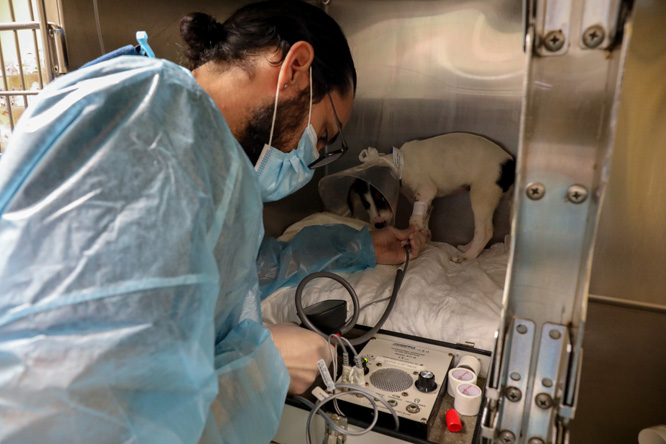
Just as no two patients are the same, neither are their treatment plans. Our critical care team has experience with a range of advanced procedures and minimally invasive care options to get your pet on the path to wellness, including:
  • Blood transfusions
  • Electrolyte replenishment
  • Oxygen therapy
  • Breathing support
  • Catheterization
  • Nutritional support
  • IV fluid therapy

Our board certified specialists and critical care team.

Experience makes all the difference. 

Our critical care team is made up of veterinarians, vet technicians and assistants, and support staff with rigorous training and experience in specialty medicine. The team works hand in hand to provide the comprehensive, compassionate care your pet needs and deserves. Because we’re a multidisciplinary hospital, the team can consult the expertise of other specialty departments, too.

Tomas Boullhesen Williams

DVM, DACVECC
Board Certified in Veterinary Emergency & Critical Care

Critical Care
On the job

Dr. Tomas Boullhesen Williams is especially interested in postoperative care, point-of-care ultrasonography, sepsis, and trauma cases.

Education
  • Diplomate, American College of Veterinary Emergency & Critical Care
  • Residency, Small Animal Emergency & Critical Care, Cornell University, Ithaca, NY
  • Internship, Small Animal Medicine & Surgery, Oregon State University, Corvallis
  • Doctor of Veterinary Medicine, National University of Tucumán, Argentina
Off duty

Dr. Boullhesen Williams enjoys exploring NYC and trying all the good food the city has to offer, going out with friends, and staying active. He is fluent in English, Spanish, and French and loves learning new languages.

Jasmine Lee

VMD, DACVECC
Board Certified in Veterinary Emergency & Critical Care

Critical Care
On the job

Before veterinary school, Dr. Jasmine Lee worked as a veterinary technician for several years and fell in love with emergency and critical care cases. She prides herself on providing excellent patient care and developing strong relationships with every client and patient. Her professional interests include trauma, fluids and electrolytes, toxins and postoperative care.

Education
  • Diplomate, American College of Veterinary Emergency & Critical Care
  • Residency, Small Animal Emergency & Critical Care, BluePearl Veterinary Partners, New York, NY
  • Internship, Small Animal Medicine & Surgery, Animal Medical Center, New York, NY
  • Doctor of Veterinary Medicine, University of Pennsylvania, Philadelphia
  • Bachelor of Arts, Biology, University of Pennsylvania, Philadelphia
Off duty

Dr. Lee has a cat named Tonks who has been with her since her third year of vet school.

Publications & Articles

What to expect.

We want you to be prepared for your pet’s visit to the ICU, so you have one less thing to worry about. Our entire BluePearl team will be with you every step of the way.

How the ICU works

First, your pet will be triaged and cared for by our emergency medicine team. If they require hospitalization, your pet will be seamlessly transferred to the ICU, where our critical care team will stabilize and monitor them around the clock.

We know how difficult it is to be separated from your pet during this critical time, so we’ll keep you updated on their condition and continue to discuss testing and treatment options with you. Once your pet is stable, you’ll be able to give them more love and attention during visiting hours.

Our team will continue to partner with your primary veterinarian as part of the ongoing management of your pet’s care.

You know your pet better than anyone, and you play a crucial role in any follow-up treatment necessary. If you have any concerns about providing care at home after being discharged from the hospital (such as giving medication or monitoring your pet’s symptoms), let us know – we’re here for you.

Frequently asked questions.

Veterinary critical care is specialized, hospital-based treatment for pets who are experiencing life-threatening illness or injury. These patients require intensive monitoring, advanced life-support equipment and continuous medical attention.

Critical care is similar to an intensive care unit (ICU) in human hospitals. The goal is to stabilize your pet, treat the underlying condition and provide around-the-clock support during the most serious stage of illness.
While all three focus on sick or injured pets, the level and duration of care differ:
  • Urgent care treats non-life-threatening conditions that still need prompt attention.
  • Emergency medicine stabilizes pets facing sudden illness, trauma or crisis.
  • Critical care provides ongoing, intensive monitoring and treatment for pets who are unstable or require advanced life support after initial stabilization.
In many cases, a pet is first seen by the emergency team and then admitted to critical care if continued, intensive support is needed.
Pets that may require critical care include those with:
  • Severe trauma (such as being hit by a car)
  • Respiratory distress
  • Heart failure
  • Sepsis or severe infections
  • Complications from surgery
  • Severe pancreatitis
  • Heatstroke
  • Toxin exposure
  • Shock or internal bleeding
These conditions often require constant monitoring, IV medications, oxygen therapy or other advanced interventions.
A pet is typically transferred to critical care when:
  • Their condition remains unstable after emergency treatment
  • They require continuous monitoring
  • They need advanced support such as oxygen therapy, blood transfusions or mechanical ventilation
  • Their illness is complex and requires intensive nursing care
The emergency and critical care teams work together to ensure a smooth transition within the hospital.
Critical care patients are closely monitored using advanced hospital equipment and skilled nursing care. Monitoring may include:
  • Continuous heart rate and rhythm tracking (ECG)
  • Blood pressure monitoring
  • Oxygen level monitoring
  • Blood work
  • Urinalysis
  • Neurologic assessments
  • Temperature regulation
Specially trained veterinary technicians and doctors assess patients frequently to respond quickly to any changes.
At most BluePearl specialty and emergency pet hospitals, critical care services are available 24 hours a day, 7 days a week. Continuous staffing ensures that hospitalized pets receive ongoing medical supervision at all times.

Availability can vary by hospital location, so it is always appropriate to call ahead in an emergency.
If your pet is admitted:
  • The team will discuss your pet’s diagnosis, treatment plan and prognosis
  • You will receive an estimate and explanation of anticipated costs
  • Your pet will stay in the hospital’s intensive care unit
  • You will receive regular updates on your pet’s condition
Critical care stays can range from 24 hours to several days or longer, depending on the condition and response to treatment.
Visitation policies vary by hospital and by your pet’s medical condition. In many cases, scheduled visits can be arranged when it is safe and appropriate.

Because critical patients require a controlled, low-stress environment, visitation may be limited. The hospital team will explain what options are available and provide regular updates to keep you informed.
A referral is not always required. Many pet owners come directly to a specialty and emergency hospital during a crisis.

If your primary care veterinarian refers your pet, medical records are shared to ensure coordinated, seamless care.
Collaboration is a key part of specialty care. The critical care team:
  • Communicates diagnostic findings and treatment plans
  • Provides updates during hospitalization
  • Shares discharge instructions and follow-up recommendations
  • Coordinates ongoing care after your pet leaves the hospital
This team-based approach ensures continuity of care and supports your pet’s recovery both during and after hospitalization.

Success stories.

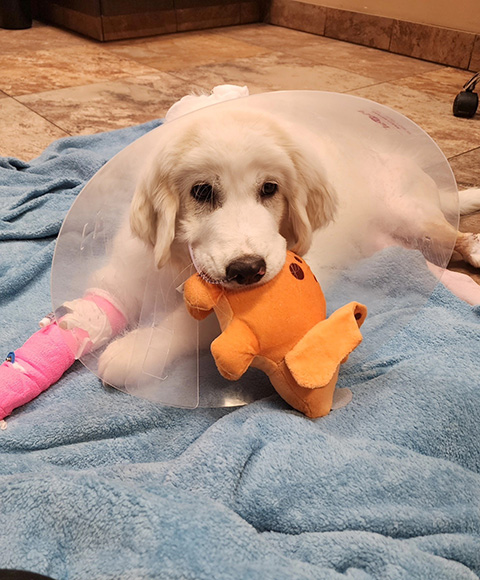
“The hard work and dedication of both teams was inspiring,” said Sierra, reflecting on Everest’s care at both hospitals. “No one gave up on him and because of that he thrived and was able to come to his forever home.” Read Everest's story.
“Because the doctors took the time to explain what they were looking for and what they were going to do, I knew he was going to be okay,” said Miriam, reflecting on her experience. “I knew I could call them and the staff was going to be there.” Read Griffin's story.