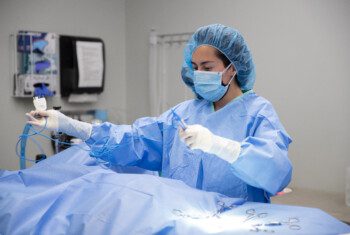
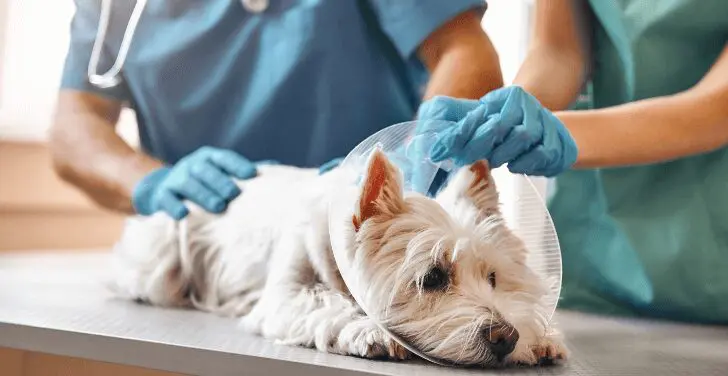
Watching a beloved pet struggle to stand, limp after playing, or suffer a sudden injury is heartbreaking for any pet parent. Fortunately, modern veterinary orthopedics offer advanced, highly successful solutions to restore your companion’s mobility. Rather than permanent limitation, orthopedic surgery is a proactive path back to a pain-free, active life.
Because the skeletal system is complex and undergoes immense mechanical stress daily, bone, joint, and ligament reconstructions benefit from specialized hands. Choosing a board-certified veterinary surgeon (Diplomate of the American College of Veterinary Surgeons – DACVS) ensures your pet is treated with advanced surgical equipment, sterile orthopedic operating suites, and cutting-edge implant technologies designed specifically for animal biomechanics.
Common orthopedic conditions in cats and dogs.
Orthopedic issues generally fall into two categories: acute traumatic injuries or progressive, developmental joint disorders.
Ligament and tendon tears.
- Cranial Cruciate Ligament (CCL) Rupture: The canine equivalent of a human ACL tear, a CCL rupture is the single most common orthopedic injury in dogs. It causes sudden lameness, joint instability, and rapid-onset osteoarthritis if left untreated.
Developmental joint diseases.
- Hip and Elbow Dysplasia: These are genetic malformations where the joints do not fit together smoothly. Over time, this causes painful grinding, cartilage wear, progressive lameness, and chronic arthritis.
- Patellar Luxation (Slipping Kneecaps): Especially common in toy and small dog breeds, this occurs when the kneecap slips out of its anatomical groove, causing the pet to intermittently “skip” or run on three legs.
Traumatic injuries.
- Bone Fractures: Resulting from car strikes, high falls, or athletic trauma, bone fractures can be simple, compound, or multi-fragmented. These require precise structural reassembly to heal correctly.
- Feline-Specific Trauma: Cats are prone to unique orthopedic issues, such as femoral head fractures or hip dislocations (luxations), often resulting from falls.
How orthopedic veterinary surgeons diagnose joint and bone issues
Before making an incision, orthopedic surgery specialists utilize a combination of clinical exams and advanced technology to map out a precise, customized surgical plan.
- The Hands-On Evaluation: Your specialist will observe your pet’s gait, analyze their weight distribution, and perform joint-specific stress tests to verify joint issues and locate exact points of pain.
- X-rays: High-resolution digital imaging is captured, often under light sedation, to ensure perfect bone alignment and eliminate motion blur. This allows the surgeon to measure bone angles down to the millimeter.
- CT Scans: Essential for complex, multi-fragment fractures, angular limb deformities, and detailed three-dimensional visualizations of complex joints like the elbow.
- Arthroscopy: Utilizing tiny, minimally invasive keyhole cameras inserted directly into joint spaces, surgeons can inspect cartilage wear and ligament tears in real-time with minimal surgical trauma.
Advanced orthopedic procedures at BluePearl Pet Hospital.
Many BluePearl Pet Hospital feature advanced surgical teams who utilize medical-grade implants, specialized locking bone plates, and sterile operating suites specifically engineered for orthopedic surgery.
Key orthopedic procedures performed.
- Tibial Plateau Leveling Osteotomy (TPLO): The gold standard for treating CCL ruptures in active or large dogs. Rather than attempting to replace the torn ligament, the surgeon makes a curved cut in the tibia bone, rotates the joint surface (the plateau) to eliminate the slope that causes instability, and secures the bone in place with a specialized plate.
- Fracture Repair (Internal and External Fixation): Reassembling fractured bones utilizing titanium plates, locking screws, intramedullary pins, or external skeletal fixators.
- Tibial Tuberosity Advancement (TTA): An alternative cruciate repair method that changes the mechanical pull of the patellar tendon to stabilize the stifle joint.
- Patellar Luxation Correction: Deepening the femoral groove, realigning the tibial crest, and tightening surrounding soft tissue to keep the kneecap in place.
- Femoral Head Ostectomy (FHO): Removing the painful “ball” of the hip joint to create a functional “false joint” made of scar tissue—an excellent mobility solution for cats and small dogs.
- Total Hip Replacement (THR): Replacing damaged hip joints with state-of-the-art prosthetic implants, offering a pain-free life to dogs with severe hip dysplasia.
Post-op recovery and aftercare.
While orthopedic surgery corrects the physical structure, your at-home care is what allows the bone and tissue to bond securely around the implants.
The Importance of Strict Activity Restriction
For the first 6 to 8 weeks, your pet must experience strict confinement. Running, jumping, playing, or climbing stairs can cause catastrophic implant failure before the bone has fully healed. Confinement to a crate, exercise pen, or a single carpeted room is mandatory.
H3: Managing the crate rest challenge.
Keeping an active pet calm is challenging. Focus on environmental management and mental enrichment:
- Use interactive food puzzles, snuffle mats, and frozen lick mats to tire your pet out mentally.
- Place their crate in a quiet but central room so they feel included without being overstimulated.
- Consult your BluePearl team about safe, temporary situational sedatives to manage hyperactivity safely.
Comprehensive pain management.
Orthopedic recovery relies on a multi-modal pain protocol. By combining anti-inflammatories, targeted nerve medications (like Gabapentin), and cold therapy, we protect your pet’s nervous system and promote faster physical healing.
The role of physical rehabilitation.
As bone healing progresses, incorporating professional physical therapy and rehabilitation such as underwater treadmills, therapeutic lasers, and passive range of motion exercises. Physical therapy and rehabilitation practices can help prevent joint stiffness and safely rebuild muscle mass.
Orthopedic Surgery FAQ
- What is considered orthopedic surgery on a dog or cat? Orthopedic surgery refers to any surgical procedure that repairs the bones, joints, ligaments, tendons, or muscles of a pet’s skeletal system. Unlike soft tissue surgery, which focuses on internal organs and skin, orthopedic surgery addresses structural issues like broken bones, torn knee ligaments (such as CCL tears), hip dysplasia, and slipping kneecaps. At specialized networks like BluePearl, these procedures are performed in sterile, highly advanced suites by board-certified veterinary surgeons.
- How long is recovery for a pet after orthopedic surgery? The standard recovery timeline for a dog or cat after major orthopedic surgery is 8 to 12 weeks. Bone and ligament healing is a gradual physiological process. Typically, the first 6 weeks require strict cage rest or confinement to a small, carpeted room. Around week 8, follow-up radiographs (X-rays) are taken to confirm bone healing before the veterinary surgeon clears the pet for a gradual return to leashed activity.
- What is TPLO surgery, and why is it recommended for dogs? Tibial Plateau Leveling Osteotomy (TPLO) is a highly successful surgical procedure designed to treat a ruptured cranial cruciate ligament (CCL) in dogs. Rather than attempting to replace the torn ligament, a board-certified surgeon makes a curved cut in the tibia bone, rotates the joint surface (the plateau) to eliminate the slope that causes instability, and secures the bone in place with a specialized plate. TPLO is widely recommended for active or large dogs because it offers a highly stable mechanical solution, resulting in faster recovery and less long-term arthritis.
- How do I keep my dog or cat calm during orthopedic crate rest? Keeping an active pet confined is often the hardest part of recovery for owners. Successful crate rest relies on environmental management and mental enrichment. Use interactive puzzle feeders, lick mats, and gentle grooming sessions to keep your pet’s mind busy. Ensure their crate or small room is in a quiet area of the house, away from high-traffic zones. If your pet is highly anxious or hyperactive, consult your BluePearl team about safe, temporary situational sedatives to prevent accidental damage to their surgical site.