Veterinary Ophthalmology by BluePearl Hoover AL

BluePearl Pet Hospital
Birmingham
Hoover, AL
Ophthalmology

24/7 Emergency and Specialty
Emergency:
24/7
Specialty:
Mon: 8 am-6 pm
Tue: 8 am-6 pm
Wed: 8 am-6 pm
Thu: 8 am-6 pm
Request Appointment

Pet ophthalmology by BluePearl.

Advanced vision and eye care to help your pet live a better, more comfortable life.

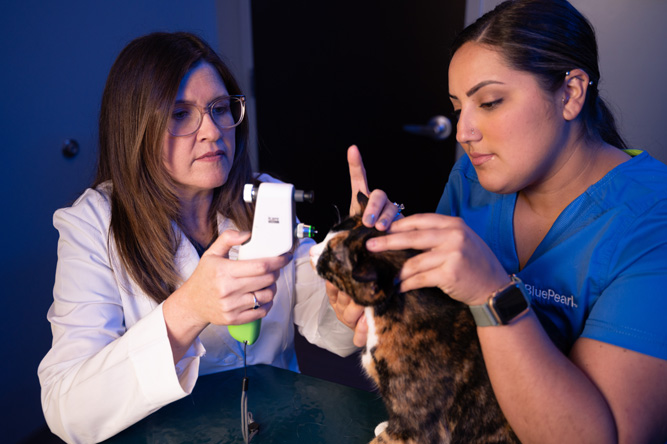
We understand that seeing your pet experience unusual symptoms or act out of the ordinary can be stressful – especially if you don’t know what’s wrong. Fortunately, our veterinary ophthalmology team is made up of experts in diagnosing and treating diseases of the eye, and we’re here to help.

Our commitment is not just to treat illnesses; it’s to enhance the well-being of your pet and be with you every step of the way.
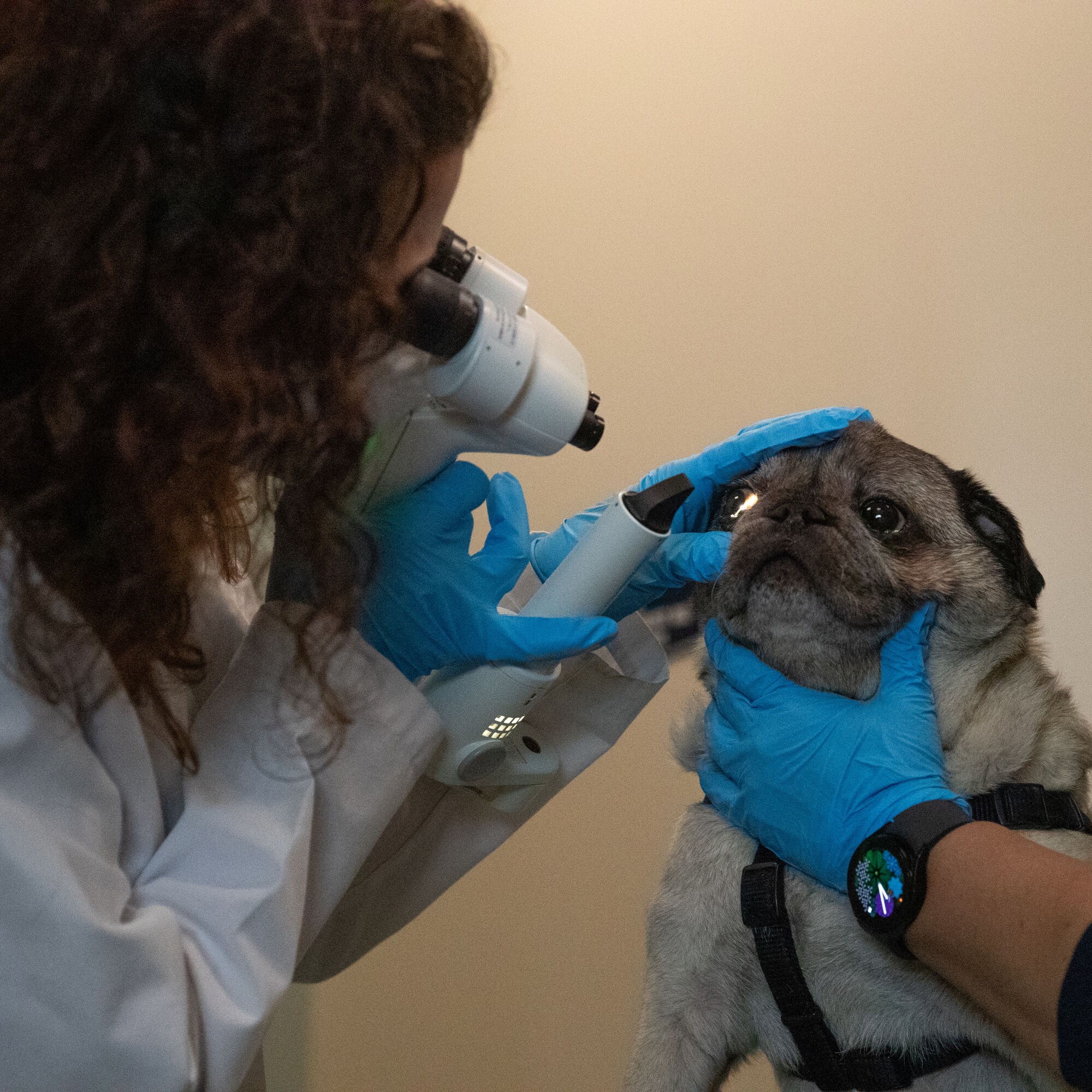
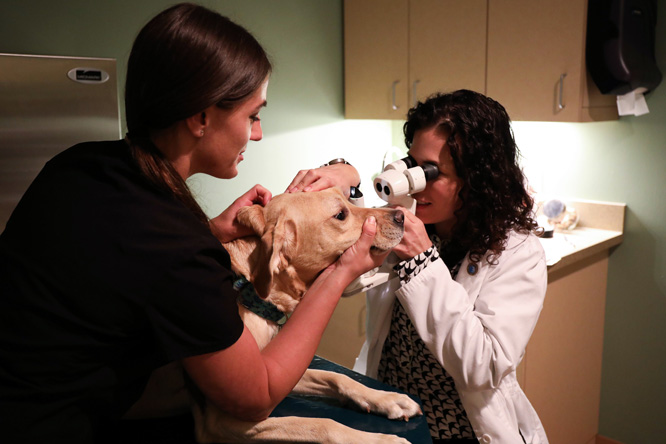
A veterinary ophthalmologist examines a pug

Conditions we treat.

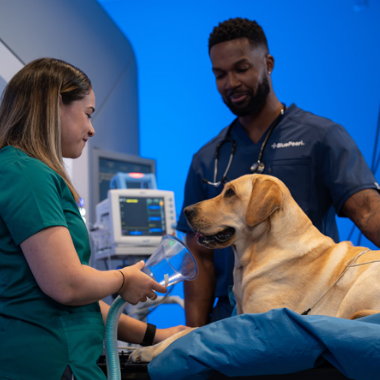
A BluePearl anesthesiology and pain management vet prepares to fix an anesthetic facemask on a yellow lab while a vet tech helps hold the dog on the exam table.

If your pet has an eye condition, you’ll have an entire ophthalmology team helping to improve your pet’s quality of life so you can get back to what matters most – spending precious moments together.

  • Cataracts
  • Cornea injuries
  • Retinal disease
  • Dry eye
  • Eyelid and eyelash injuries or abnormalities
  • Glaucoma
  • Inflammation and conjunctivitis
  • Third eyelid, or cherry eye

Services we offer.

Your pet will receive unparalleled medical care during their time at the hospital (and they’ll be spoiled with love and attention, too).

Advanced diagnostics

Your pet can’t tell us what’s wrong, so we use sophisticated diagnostics and imaging tools to uncover the source of the problem.

  • Electroretinography
  • Fluorescein stain
  • Indirect ophthalmoscopy
  • Tear testing
  • Tonometry
  • Gonioscopy
  • Ocular and orbital imaging
  • Slit-lamp exams

Treatment plans

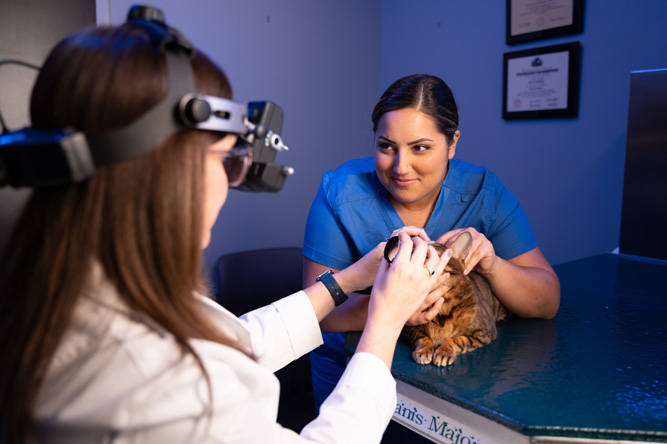
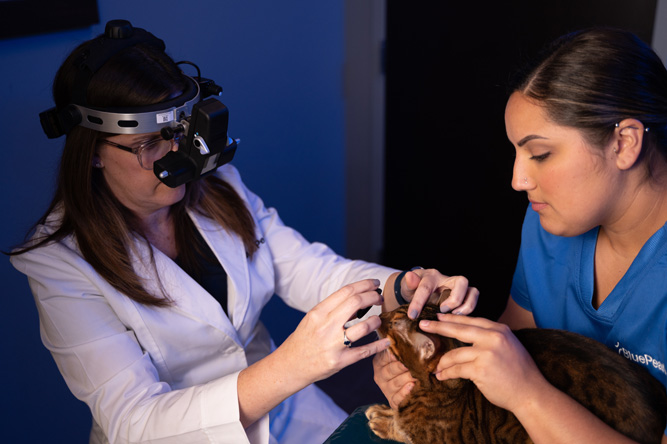
Just as no two patients are the same, neither are their treatment plans. Our ophthalmology team has experience with a range of advanced procedures and minimally invasive care options to get your pet on the path to wellness, including:
  • Cataract surgery
  • Cherry eye repair
  • Glaucoma surgery
  • Orbital surgery
  • Reconstructive surgery
  • Dry eye therapy

Our board certified specialists and ophthalmology team.

Experience makes all the difference. 

Our ophthalmology team is made up of veterinarians, vet technicians and assistants, and support staff with rigorous training and experience in specialty medicine. The team works hand in hand to provide the comprehensive, compassionate care your pet needs and deserves. Because we’re a multidisciplinary hospital, the team can consult the expertise of other specialty departments, too.

Susan Nelms

MS, DVM, DACVO
Board Certified in Veterinary Ophthalmology

Ophthalmology
On the job

Dr. Susan Nelms has been practicing ophthalmology in the Birmingham area for over 28 years. Her goal is to provide the best ophthalmic care for every single patient.

Dr. Nelms has special interests in cataract surgery, corneal diseases and surgeries and diagnosing and treating systemic diseases that present with ocular signs.

Education
  • Diplomate, American College of Veterinary Ophthalmologists
  • Residency, Ophthalmology, North Carolina State University, Raleigh
  • Internship, Small Animal Medicine & Surgery, Animal Medical Center, New York City, NY
  • Doctor of Veterinary Medicine, Mississippi State University, Starkville
  • Master of Science, Zoology, Rutgers University, Newark, NJ
  • Bachelor of Science, Animal Science, Rutgers University, New Brunswick, NJ
Off duty

In her free time, Dr. Nelms enjoys spending time with her family and friends on Smith Lake, endurance running and horseback trail riding. She and her husband have two daughters, a son whose memory they carry in their hearts, one granddaughter, seven dogs and three horses.

What to expect.

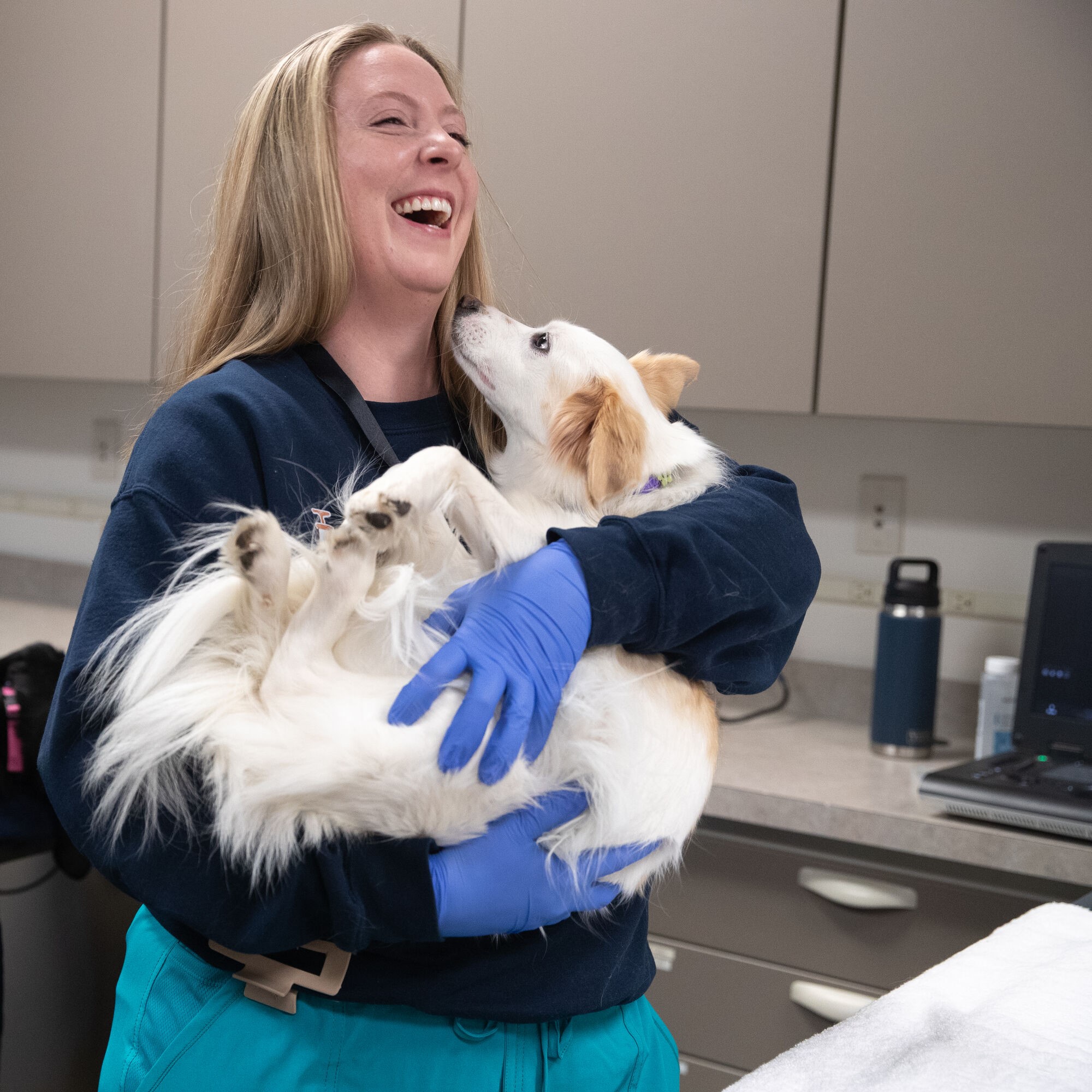
We want you to be prepared for your pet’s visit to the ophthalmologist, so you have one less thing to worry about. Our entire BluePearl team will be with you every step of the way.
Before your visit

  • Make an initial appointment by calling us directly or via referral from your pet’s primary vet. 
  • We’ll request records from your primary or emergency vet before your first visit and collaborate with them to discuss your pet’s history and current condition.

During your visit

  • When possible, we’ll examine your pet with you by their side to make them more comfortable. If additional tests are needed for a diagnosis, we’ll discuss those options with you.
  • You’ll have plenty of time and opportunity to ask questions as we go over your pet’s diagnosis together.
  • Before you leave, you’ll receive a detailed treatment plan, discharge instructions and any recommended medications. We’ll schedule a recheck appointment and make sure you’re aware of any symptoms you should watch out for at home.

After your visit

  • Our team will continue to partner with your primary veterinarian as part of the ongoing management of your pet’s care.
  • You know your pet better than anyone, and you play a crucial role in their treatment plan. If you have any concerns about providing care at home (such as giving medication, maintaining a specific diet or monitoring your pet’s symptoms), let us know – we’re here for you.

Frequently asked questions.

Veterinary ophthalmologists specialize in diagnosing and treating eye conditions in dogs and cats. They manage problems affecting the cornea, lens, retina, eyelids, tear ducts, and optic nerve. Using advanced diagnostics and surgical techniques, our specialists help preserve vision and maintain your pet’s eye health.
Pets should see an ophthalmologist if they have persistent eye discharge, redness, cloudiness, squinting, pawing at the eyes, vision changes, or sudden eye injuries. Early evaluation by a specialist can prevent permanent damage and improve outcomes.
Common signs include redness, swelling, cloudiness, excessive tearing, squinting, pawing at the eyes, sudden vision changes, or noticeable eye injuries. If you notice any of these symptoms, schedule an exam promptly to protect your pet’s vision.
Ophthalmologists treat a wide range of conditions, including cataracts, glaucoma, corneal ulcers, retinal diseases, eyelid abnormalities, tear duct disorders and traumatic eye injuries. Our specialists use advanced diagnostics and treatments tailored to each pet’s needs.
During an eye exam, the ophthalmologist will assess your pet’s vision, examining the eyes and surrounding structures, and may perform tests such as tonometry (to measure eye pressure), fluorescein staining (to detect corneal injuries), or advanced imaging. The exam helps us diagnose problems and develop a treatment plan.
Cataracts are diagnosed through a comprehensive eye exam and sometimes additional imaging. Treatment depends on the severity; surgical removal is often recommended for vision restoration. BluePearl ophthalmologists provide advanced cataract surgery using state-of-the-art equipment for the best possible outcomes.
Yes. Untreated conditions such as glaucoma, cataracts, corneal ulcers or retinal disease can lead to permanent vision loss. Early detection and treatment by an ophthalmologist can often preserve or restore vision.
Glaucoma treatments aim to lower eye pressure and preserve vision. Ophthalmologists may recommend medications, laser therapy or surgery, depending on the type and severity of glaucoma. Prompt treatment is essential to prevent irreversible damage.
Corneal ulcers are treated based on severity. Ophthalmologists may use medicated eye drops, protective contact lenses or surgery in more severe cases. Frequent monitoring ensures the ulcer heals properly and prevents complications.
Some eye conditions, such as cataracts, glaucoma or severe corneal injuries, may require surgery. BluePearl ophthalmologists carefully evaluate each case and recommend surgical options only when necessary, tailoring procedures to your pet’s safety and recovery.
Yes. Eye surgery at BluePearl is performed by board-certified ophthalmologists with specialized training and advanced anesthesia monitoring. Most pets recover safely and experience improved vision and comfort after surgery.
Post-surgery care may include medications (drops or ointments), wearing an Elizabethan collar (cone), limiting activity and attending follow-up appointments. BluePearl ophthalmologists provide detailed instructions to help ensure a smooth recovery and prevent complications.
Recovery time depends on the procedure and your pet’s overall health. Many pets show improvement within a few days to a week, while full healing may take several weeks. Regular follow-up visits ensure proper healing and monitoring for any issues.
Preventive care includes regular veterinary exams, protecting eyes from trauma, managing chronic diseases (like diabetes), keeping the eyes clean and promptly addressing any signs of irritation or vision changes. Early evaluation by an ophthalmologist helps catch problems before they worsen.