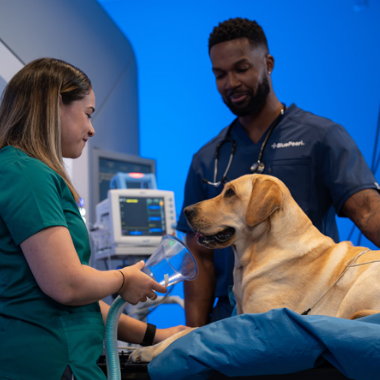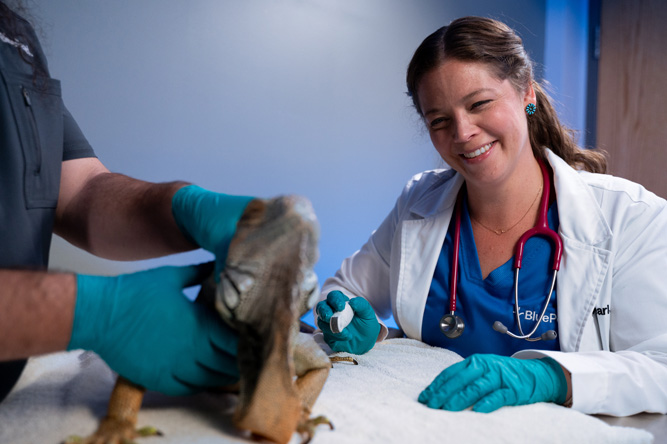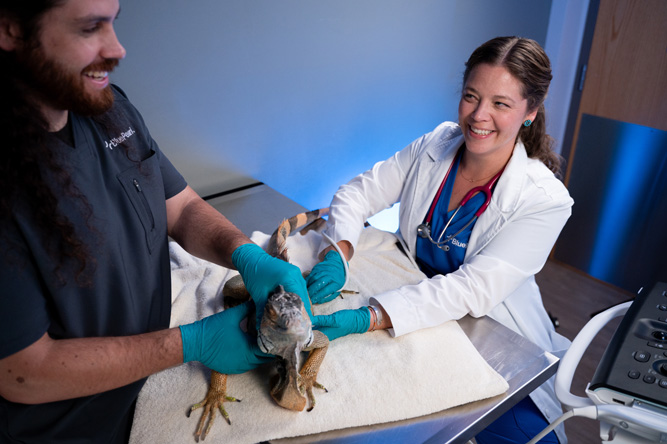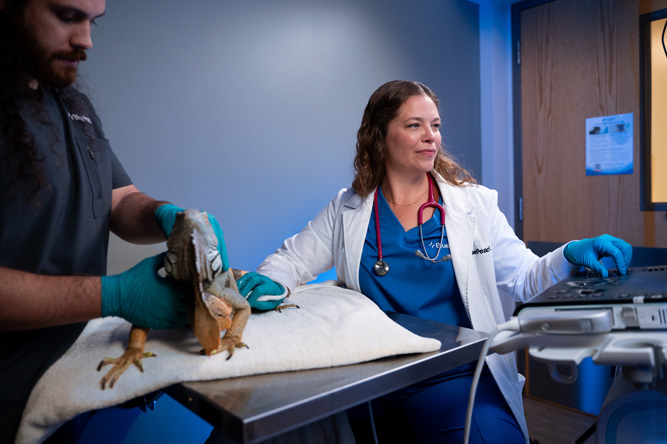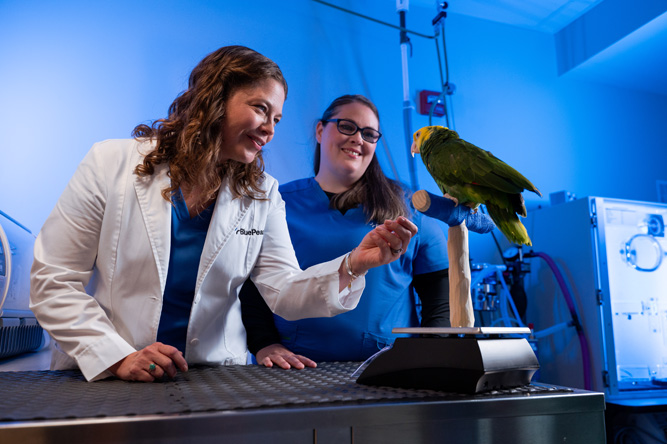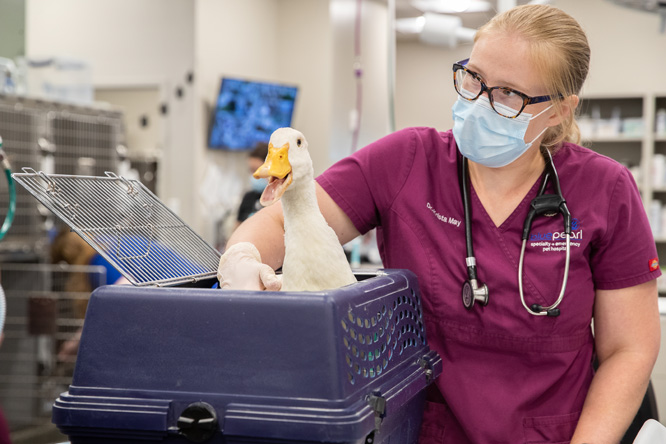
Tailored care for every pet – feathers, fangs, fur and more.
We understand that seeing your pet experience unusual symptoms or act out of the ordinary can be stressful – especially if you don’t know what’s wrong. Fortunately, our veterinary avian and exotics team is made up of experts in diagnosing and treating diseases in birds, small mammals, reptiles and other species, and we’re here to help.
Our commitment is not just to treat illnesses; it’s to enhance the well-being of your pet and be with you every step of the way.
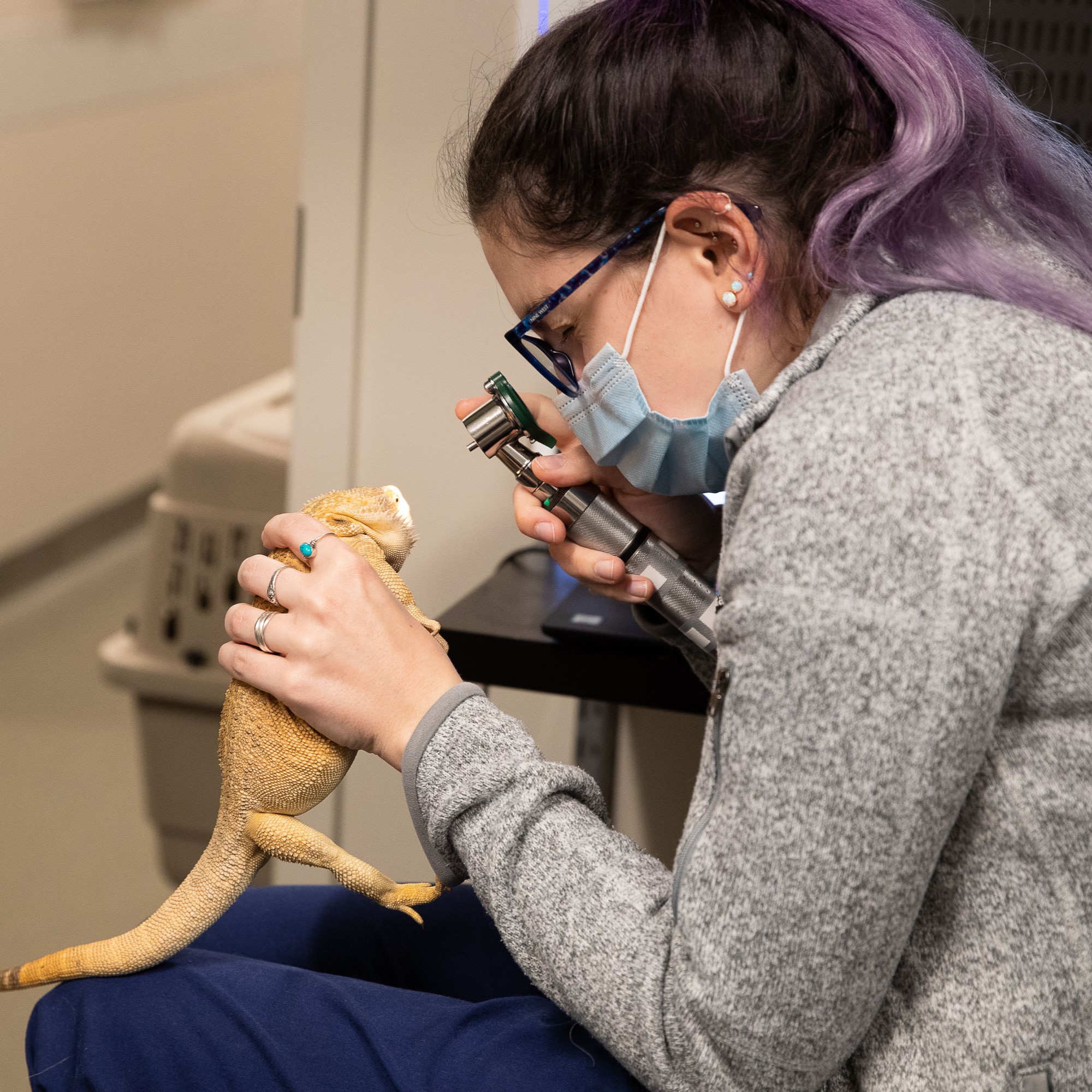
Conditions we treat.
Whether your pet has an acute illness, chronic condition or just needs a checkup, you’ll have an entire avian and exotics team helping to improve your pet’s quality of life so you can get back to what matters most – spending precious moments together.
Infections
Injuries
Dental diseases
Gastrointestinal disorders
Metabolic disorders like kidney disease
Behavioral issues
Reproductive complications
Cancer
Services we offer.
Your pet will receive unparalleled medical care during their time at the hospital (and they’ll be spoiled with love and attention, too).
Advanced diagnostics
Your pet can’t tell us what’s wrong, so we use sophisticated diagnostics and imaging tools to uncover the source of the problem.
Electrocardiography (ECG)
Radiography (x-rays)
Ultrasound
Endoscopy
Blood/urine testing
Treatment plans
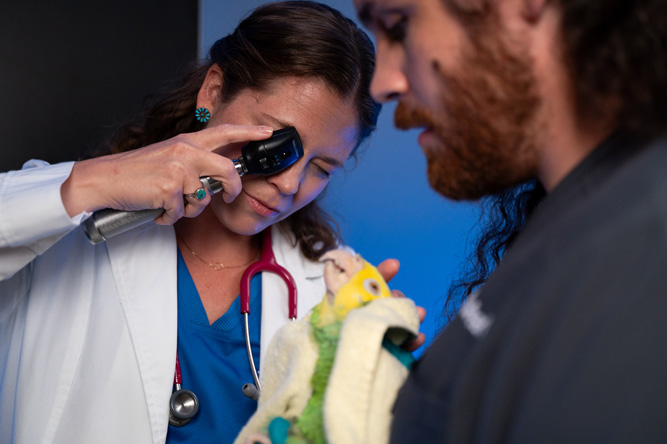
Just as no two patients are the same, neither are their treatment plans. Our avian and exotics medicine team has experience with a range of advanced procedures and minimally invasive options to get your pet on the path to wellness, including:
Wellness exams
Dental care
Medication
Surgery
Nutritional counseling
Chronic disease management
Our avian & exotics team.
Experience makes all the difference.
Our avian and exotics team is made up of veterinarians, vet technicians and assistants, and support staff with rigorous training and experience in specialty medicine. The team works hand in hand to provide the comprehensive, compassionate care your pet needs and deserves. Because we’re a multidisciplinary hospital, the team can consult the expertise of other specialty departments, too.
We want you to be prepared for your pet’s visit to the avian and exotics vet, so you have one less thing to worry about. Our entire BluePearl team will be with you every step of the way.
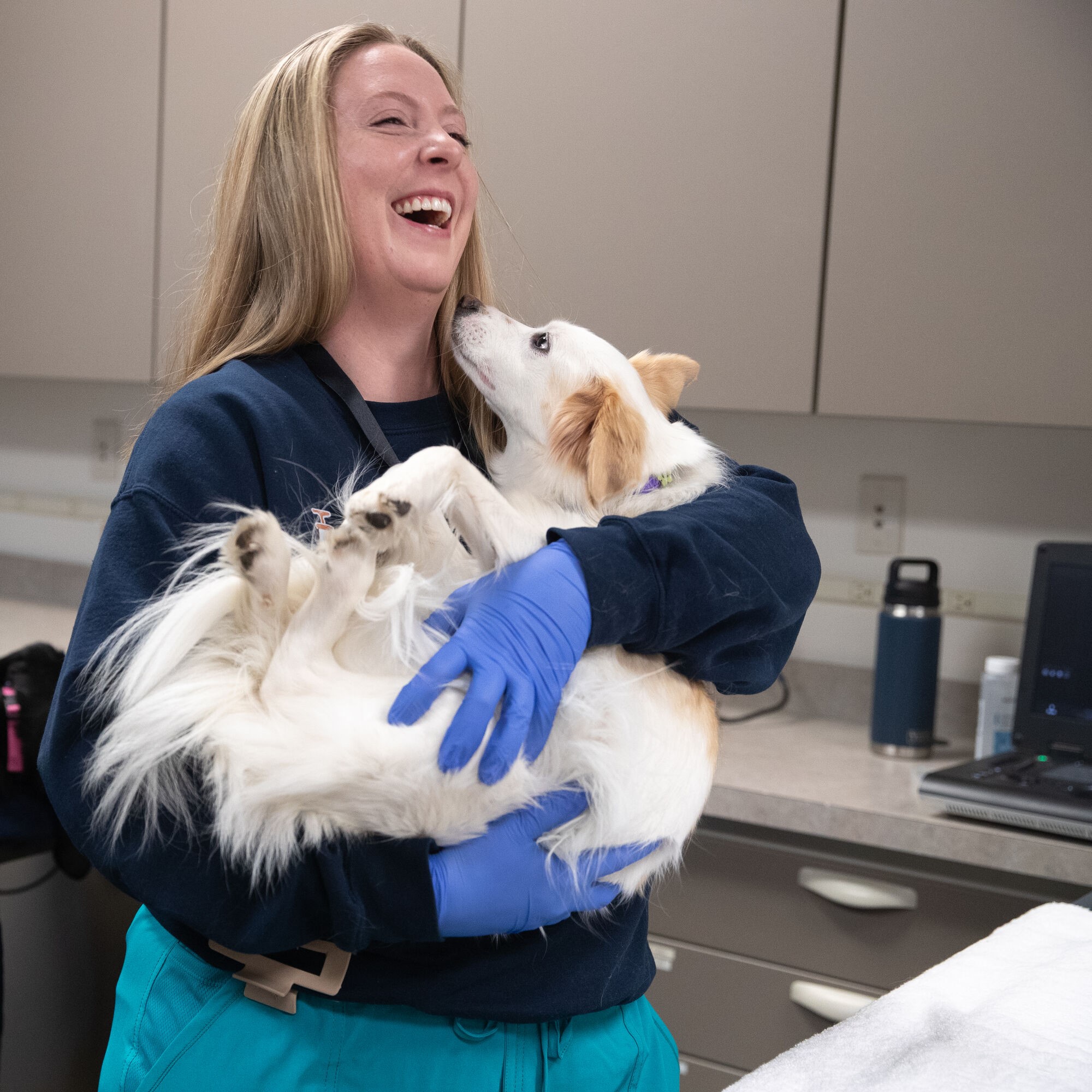
Before your visit
Make an initial appointment by calling us directly or via referral from your pet’s primary vet.
We’ll request records from your primary or emergency vet before your first visit and collaborate with them to discuss your pet’s history and current condition.
During your visit
When possible, we’ll examine your pet with you by their side to make them more comfortable. If additional tests are needed for a diagnosis, we’ll discuss those options with you.
You’ll have plenty of time and opportunity to ask questions as we go over your pet’s diagnosis together.
Before you leave, you’ll receive a detailed treatment plan, discharge instructions and any recommended medications. We’ll make sure you’re aware of any symptoms you should watch out for at home.
After your visit
Our team will continue to partner with your primary veterinarian as part of the ongoing management of your pet’s care.
You know your pet better than anyone, and you play a crucial role in their treatment plan. If you have any concerns about providing care at home (such as giving medication, maintaining a specific diet or monitoring your pet’s symptoms), let us know – we’re here for you.
Frequently asked questions.
The species treated by BluePearl avian and exotics doctors include:
Birds (parrots, cockatiels, budgies, macaws)
Small mammals (rabbits, ferrets, guinea pigs, hamsters, rats, mice, chinchillas)
Reptiles (snakes, lizards, turtles, tortoises)
Amphibians (frogs, salamanders)
Other unique pets such as hedgehogs or sugar gliders
Birds and exotic pets have unique anatomy, physiology and environmental needs that differ significantly from dogs and cats. For example:
Birds often hide signs of illness until they are critically ill.
Reptiles depend on precise temperature and lighting for proper metabolism.
Rabbits and rodents have continuously growing teeth that require monitoring and care.
An avian and exotics veterinarian has advanced training, specialized equipment and experience to diagnose and treat these species safely and effectively.
Common medical concerns include:
Nutritional imbalances
Respiratory infections
Parasites
Dental disease (especially in rabbits and rodents)
Egg binding in birds and reptiles
Metabolic bone disease in reptiles
Feather, skin, or scale disorders
Gastrointestinal issues
Trauma or injury
Behavioral concerns
Preventive care and habitat evaluation are also essential parts of keeping exotic pets healthy.
You should seek specialty care at a hospital if:
Your pet stops eating or drinking
You notice lethargy, labored breathing or weakness
There are changes in bathroom habits
You observe swelling, discharge or sudden weight loss
Your primary care veterinarian recommends advanced diagnostics
Your pet has a complex or ongoing medical condition
Early evaluation and intervention is critical.
During your visit to the hospital, the veterinary team will:
Review your pet’s diet, habitat, lighting and behavior
Perform a comprehensive physical examination
Recommend diagnostic testing if needed (bloodwork, imaging, fecal testing)
Develop a treatment plan tailored to your pet’s species and condition
You’ll also receive guidance on environmental adjustments that may improve your pet’s health and recovery.
Many specialty veterinary hospitals provide emergency care for birds and exotic pets. Seek emergency care immediately if your pet is experiencing:
Difficulty breathing
Severe bleeding
Collapse or inability to stand
Seizures
Trauma
Calling ahead can help the hospital team prepare for your arrival.
To help reduce stress and ensure safety:
Transport your pet in a secure, species-appropriate carrier
Keep reptiles appropriately warm during travel (without overheating)
Bring a fresh fecal sample, if requested
Bring a list of current foods, supplements, and medications
Take photos of your pet’s habitat and lighting setup
Minimizing stress during transport can make a big difference for exotic species who aren't used to leaving their home environment.
At BluePearl, you don't need a referral and can schedule directly with our hospital. We welcome referrals however, particularly for complex cases. Your primary care veterinarian can share medical records to ensure seamless, coordinated care.
Our doctors collaborate closely with your primary care veterinarian by:
Sharing examination findings and diagnostic results
Recommending advanced procedures or treatments
Providing follow-up care instructions
This team-based approach ensures continuity of care and the best possible outcome for your pet.
A primary care veterinarian provides general wellness exams and treats common conditions, often focusing on dogs and cats and sometimes basic exotic care.
An avian and exotics veterinarian has additional training and expertise in diagnosing and managing the complex, species-specific needs of birds and non-traditional pets, particularly in specialty and emergency hospital settings.
Make an appointment.
Take the first step to getting your pet back to their best self – call us to speak with the avian and exotics team and make an appointment.
Prioritize your pet’s health with the experts in specialty medicine.