
When your cat seems ‘off.’
Cats are famously independent and low-maintenance – until they’re not. What many cat owners don’t realize is that felines are biologically wired to hide pain and weakness. By the time a cat shows obvious symptoms, their condition is often advanced.
In the emergency medicine department at BluePearl Irvine, we regularly treat cats who seemed “a little off” until things became urgent.
This article breaks down the subtle signs your cat may be hiding something serious – and what to do next.
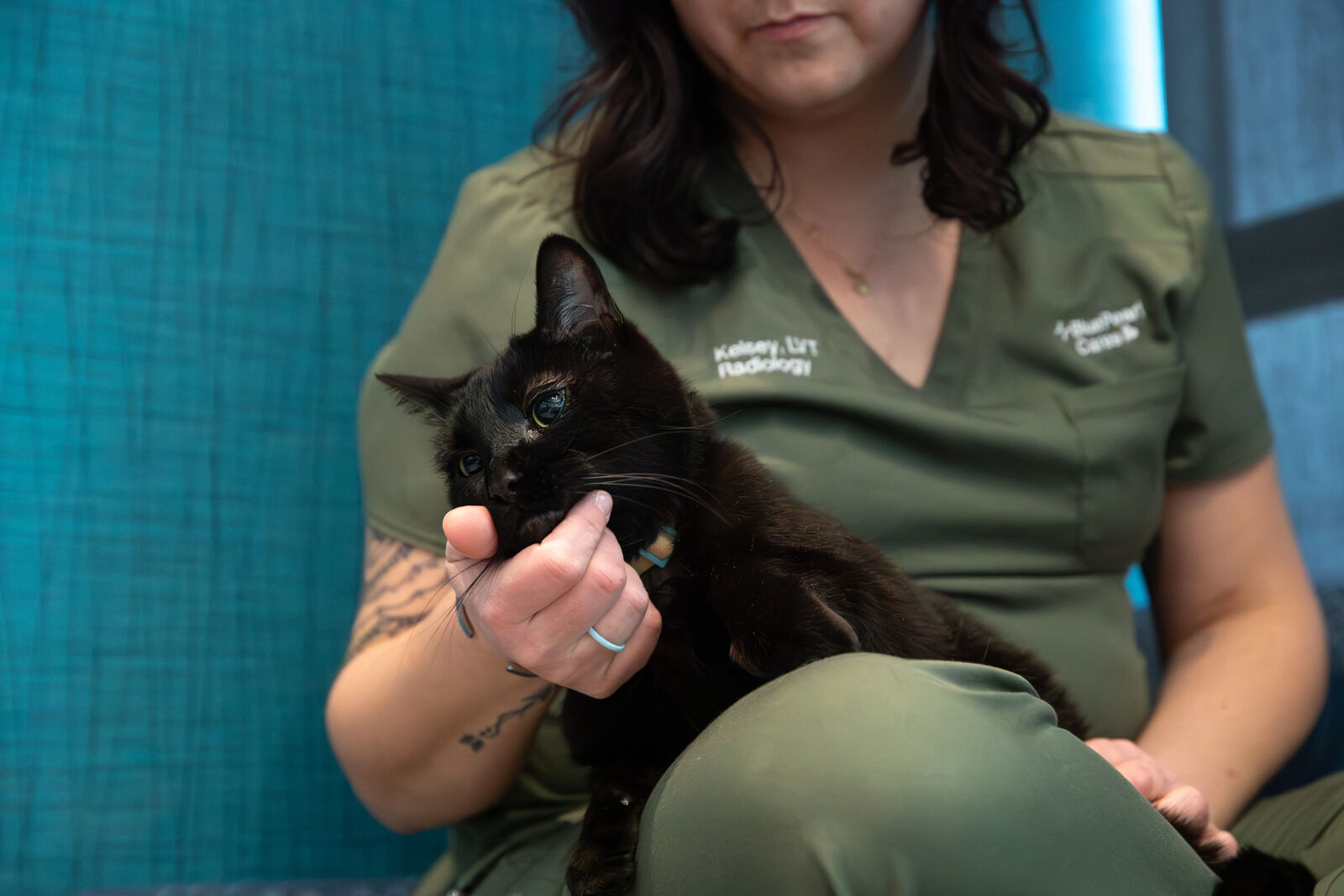
Why do cats hide illness?
In the wild, signs of weakness could make a cat a target. That instinct remains, even in indoor lap cats. That means symptoms of illness tend to show up late – and softly.
Understanding what’s normal for your cat, and acting quickly when something changes, can help catch problems early.
How we diagnose hidden issues in cats at BluePearl Irvine.
Many cats come to us after a subtle symptom turns into something more obvious. We use:
- Bloodwork
- Imaging (x-rays, ultrasound)
- Urinalysis
- Consultations with internal medicine and neurology teams
Our hospital treats everything from thyroid disease to intestinal tumors – and we always start with comfort and stabilization.
When to seek emergency care.
Call us or come in if your cat:
- Can’t urinate
- Is vomiting and lethargic
- Is breathing rapidly
- Has a sudden change in behavior or mobility
Subtle signs of illness in cats – FAQ.
Cats are instinctively private animals. In nature, hiding pain or weakness is a survival tactic to avoid predators. That same behavior carries over into domestic life, which means your cat might be sick long before there are any clear symptoms.
Even small changes can signal a bigger issue. Keep an eye out for:
- Avoiding social interaction: If your friendly cat suddenly hides or isolates, take note.
- Shifts in eating or drinking habits: Eating less or drinking more than usual can point to kidney problems, diabetes, or dental disease.
- Grooming behavior changes: Excessive licking might be a sign of anxiety or allergies, while less grooming could mean discomfort or arthritis.
- Noticeable weight loss: A thinner frame or muscle loss along the spine and hips may indicate chronic illness.
- New litter box habits: Accidents, straining, or frequent trips could be signs of urinary issues or infection.
Every cat has their own routines. Pay attention to your cat’s typical behavior, appetite, grooming, and activity levels. That baseline will help you recognize subtle shifts that might otherwise be missed.
If your cat isn’t acting like themselves, we have several diagnostic tools to uncover what’s wrong:
- Blood tests to check organ function and infection
- Ultrasound or x-rays for internal imaging
- Urinalysis to evaluate kidney and bladder health
- Consults with internal medicine or neurology experts, if needed
Our first priority is always to stabilize your pet and make them comfortable before pursuing further treatment.
Some symptoms mean you should act fast. Bring your cat to the ER if they:
- Can’t urinate or are straining in the litter box
- Are vomiting repeatedly or seem extremely tired
- Have trouble breathing or seem to be breathing rapidly
- Experience sudden weakness, collapse, or confusion
Trust your instincts – if your cat is acting in a way that feels wrong, it’s always better to have them checked.
Yes, we’re open 24/7 and ready to assist with feline emergencies – from quiet behavioral changes to more severe medical events. Our team is experienced in detecting and treating conditions that cats often hide until the last minute.

Related articles.