
Trauma is one of the main reasons pet owners rush to the ER. In situations like this, fast treatment can make all the difference. At BluePearl Lee’s Summit, our emergency medicine team is trained to assess and stabilize trauma patients quickly.
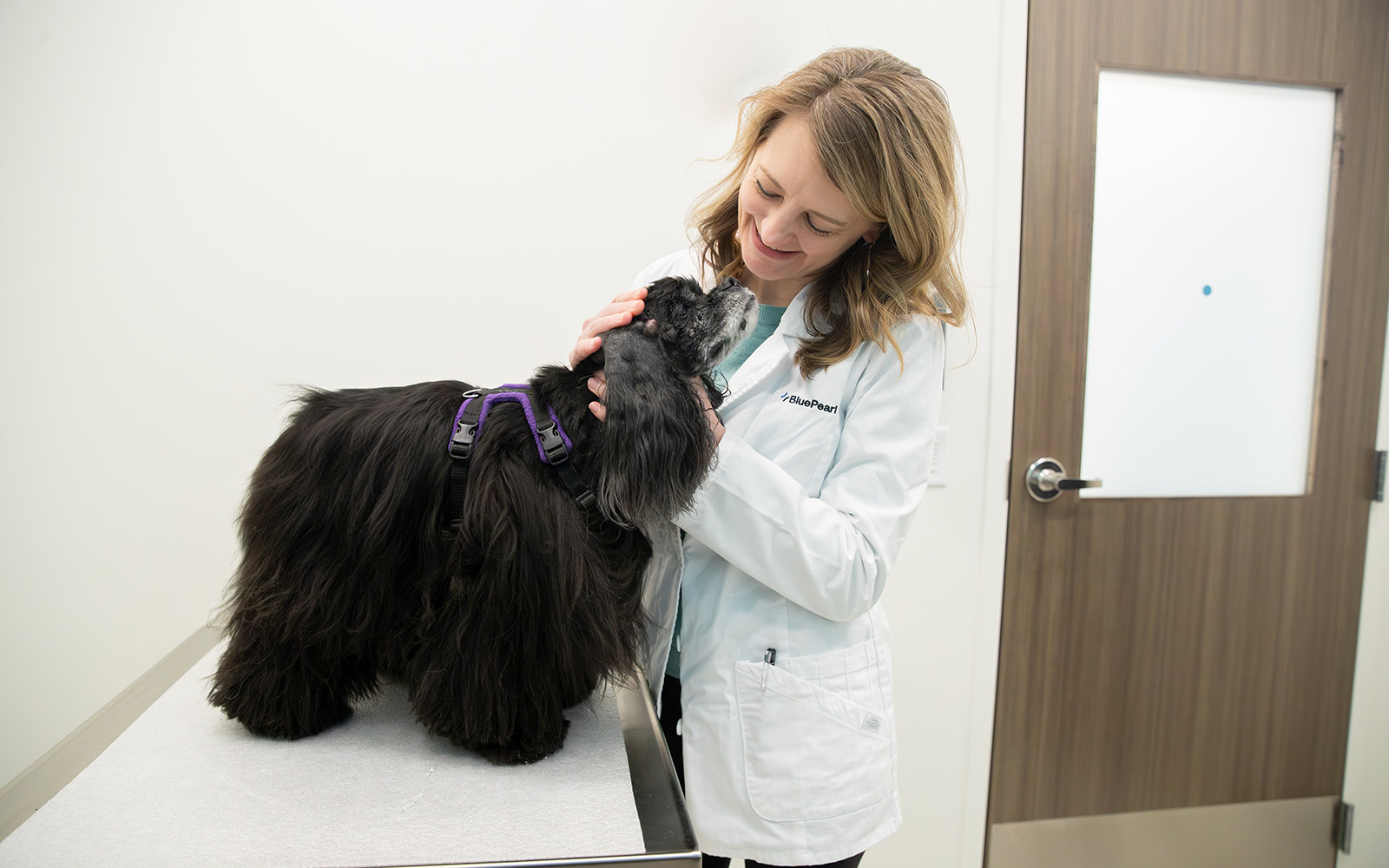
Common causes of trauma in pets.
In our emergency room, we frequently treat pets who have experienced trauma or injury from:
- Car accidents
- Falls from decks, stairs, or furniture
- Animal fights or bites
- Blunt force
- Fence or gate escapes followed by unknown trauma
- Lacerations from sharp surfaces or yard hazards
Symptoms of trauma that require emergency care.
Bring your pet to BluePearl right away if you notice symptoms like:
- Limping, swelling, or visible signs of pain
- Difficulty breathing
- Uncontrolled bleeding
- Pale gums
- Lethargy, weakness or collapse
- Open wounds or broken bones
- Excessive vomiting
How we treat trauma at BluePearl.
We’re ready to help. Our emergency team provides:
- Triage on arrival to quickly stabilize your pet
- IV fluids, oxygen therapy, and pain management
- On-site x-rays, bloodwork, and wound care
- Splints, bandages, or surgical evaluation if needed
- Monitoring for shock, infection, or internal injuries
We update your family veterinarian for follow-up care so everyone is kept in the loop about your pet’s well-being.
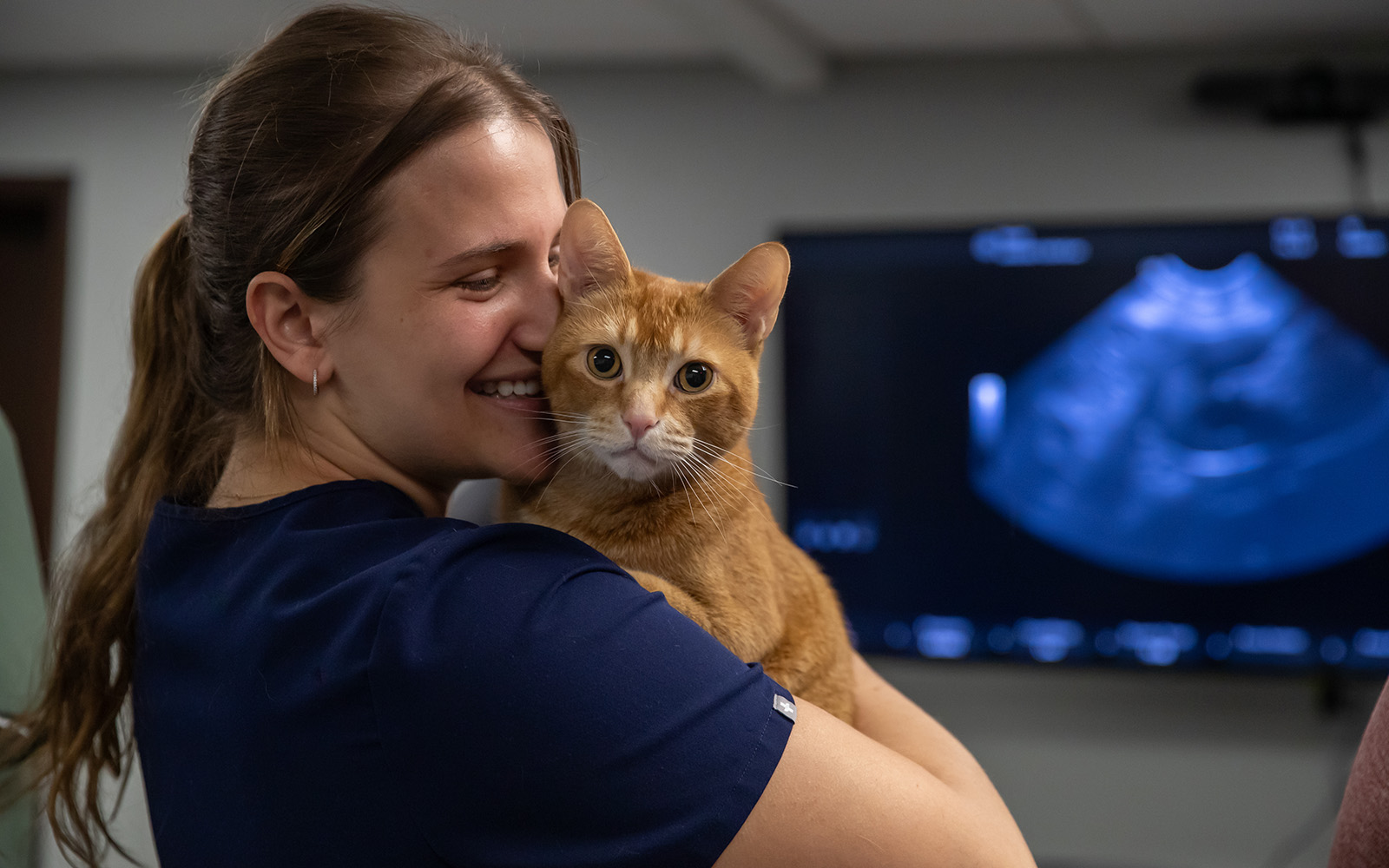
Trauma care for pets at BluePearl Lee’s Summit — FAQ.
At BluePearl Lee’s Summit, we frequently encounter pets that have suffered trauma due to various incidents. Common causes include car accidents, falls from decks, stairs, or furniture, and injuries from animal fights or bites. Pets may also experience trauma from blunt force, escape attempts leading to unknown injuries, and lacerations from sharp surfaces or yard hazards. These situations often necessitate immediate medical attention to ensure the best possible outcome for your pet.
If your pet exhibits symptoms such as limping, swelling, or visible signs of pain, it is crucial to seek emergency care. Difficulty breathing, uncontrolled bleeding, pale gums, lethargy, weakness, or collapse are also serious indicators. Additionally, open wounds, broken bones, and excessive vomiting require prompt evaluation and treatment. Bringing your pet to BluePearl Lee’s Summit as soon as these symptoms are noticed can be vital for their recovery.
Our emergency medicine team at BluePearl Lee’s Summit is equipped to provide rapid and effective treatment for trauma patients. Upon arrival, your pet will undergo triage to quickly stabilize their condition. We offer IV fluids, oxygen therapy, and pain management to address immediate needs. Our facility is equipped with on-site x-rays, bloodwork, and wound care capabilities. If necessary, we can provide splints, bandages, or surgical evaluations. We also monitor for shock, infection, or internal injuries to ensure comprehensive care.
Communication with your family veterinarian is a key component of our trauma care process. After your pet's treatment at BluePearl Lee’s Summit, we provide updates to your regular vet to facilitate follow-up care. This ensures that all parties involved in your pet's healthcare are informed and can work together to support your pet's recovery and ongoing well-being.
Understanding the difference between urgent and emergency care is essential for making informed decisions about your pet's health. If your pet is exhibiting concerning symptoms, it’s important to assess the severity and act accordingly. When in doubt, don’t hesitate to reach out to our team for advice on whether to seek immediate care or if the situation can wait.
Related articles.