Missouri weather is unpredictable, and pets often feel it first. From heatstroke in July to frostbite in February, seasonal emergencies are common in Lee’s Summit. At BluePearl, our emergency medicine team treats weather-related trauma year-round. Knowing the risks can help you act fast when conditions turn dangerous.
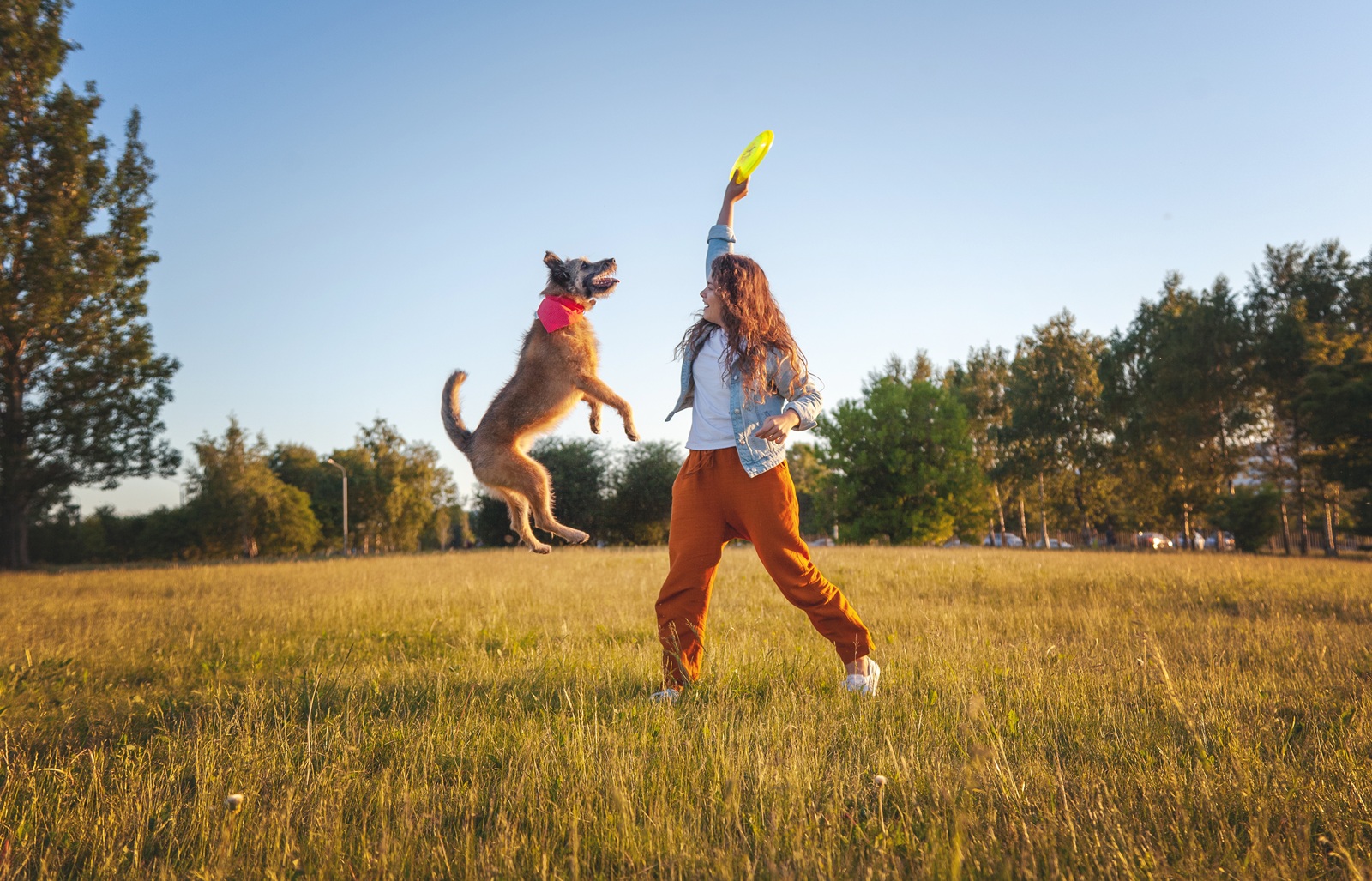
Heat-related emergencies.
Dogs and cats are especially vulnerable to heatstroke when:
- Exercising in high heat or humidity
- Left in cars or sun-exposed spaces
- Walking on hot pavement
- Not having access to water or shade
Never leave a pet in a vehicle during warm weather, even for a few minutes. Cars can become dangerously hot, even with the windows cracked, on a 70°F day.
Symptoms to watch for include:
- Heavy panting or unusual drooling
- Weakness, vomiting, or collapse
- Bright red gums, pale gums, or glazed-over eyes
Heatstroke is a life-threatening condition. If you suspect your pet is sick from heat exposure, seek care immediately.
Cold weather concerns.
In cold or freezing temperatures, pets are vulnerable to:
- Hypothermia
- Frostbite on ears, paws, or tails
- Ice-melt chemical/salt burns
- Arthritis flare-ups or stiffness
Older pets and short-haired breeds are at higher risk.
Storm trauma.
Severe storms, such as severe thunderstorms and tornadoes, can lead to:
- Broken fence escapes or runaway pets
- Injuries from falling debris
- Anxiety-related pacing, panting, or self-injury
- Exposure to flood water or downed power lines
If your pet is injured during a storm, come straight to BluePearl.
Weather-related pet emergencies at BluePearl Lee’s Summit — FAQ.
Missouri's unpredictable weather can significantly impact pets, leading to various seasonal emergencies. At BluePearl Lee’s Summit, we frequently treat pets suffering from heatstroke during the hot summer months and frostbite in the cold winter. Understanding these risks is crucial for pet owners to act swiftly when conditions become hazardous.
Pets, particularly dogs and cats, are susceptible to heatstroke under certain conditions. This can occur when they exercise in high temperatures or humidity, are left in vehicles or sun-exposed areas, walk on hot pavement, or lack access to water and shade. Symptoms of heatstroke include heavy panting, unusual drooling, weakness, vomiting, collapse, bright red or pale gums, and glazed-over eyes. Heatstroke is a severe condition, and immediate veterinary care is essential if you suspect your pet is affected.
In cold or freezing temperatures, pets can experience hypothermia, frostbite on extremities like ears, paws, or tails, and burns from ice-melt chemicals or salt. Additionally, cold weather can exacerbate arthritis or cause stiffness, particularly in older pets and short-haired breeds. It's important to monitor your pet closely during cold spells and seek veterinary care if you notice any concerning symptoms.
Severe storms, including thunderstorms and tornadoes, pose several risks to pets. These include the potential for pets to escape through broken fences, sustain injuries from falling debris, or experience anxiety-related behaviors such as pacing, panting, or self-injury. Pets may also be exposed to floodwaters or downed power lines. If your pet is injured during a storm, it is crucial to bring them to BluePearl Lee’s Summit for immediate care.
To protect your pet from weather-related emergencies, never leave them in a vehicle during warm weather, even for a short period, as cars can quickly become dangerously hot. Ensure your pet has access to water and shade during hot days and provide adequate shelter and warmth during cold weather. During storms, keep your pet indoors and secure any potential escape routes. Always be vigilant and prepared to seek veterinary care if your pet shows signs of distress or injury.
Related articles.