Limping, favoring a leg, or struggling to rise are signs your dog may have a knee injury. At BluePearl Town 'N' Country, our surgery team sees and treats orthopedic cases every day, including torn cranial cruciate ligaments (CrCL), luxating patellas, and trauma-related injuries.
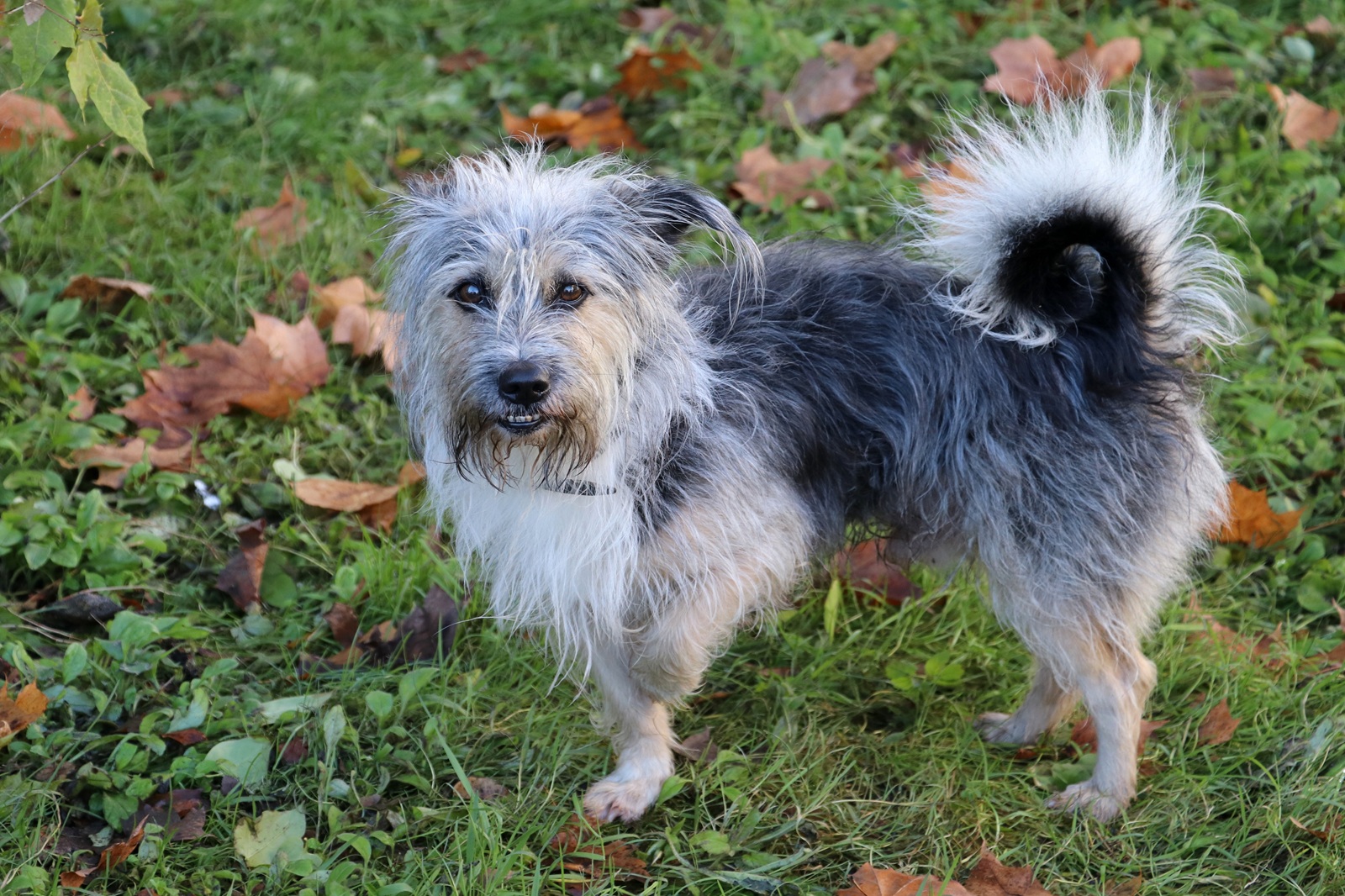
Common signs of a knee injury.
Contact your family veterinarian if your dog:
- Holds one leg up when walking or standing
- Limps or shows stiffness after activity
- Struggles with stairs, jumping, or getting up
- Seems painful when touched near the knee
- Is less active, especially after exercise
- Shows swelling around the stifle joint
Sudden symptoms may indicate a torn ligament, while slow-onset signs may point to wear-and-tear degeneration.
How are knee injuries diagnosed?
At BluePearl, our surgical team will:
- Review your vet’s findings and x-rays
- Perform a physical exam and orthopedic assessment of your pet
- Use imaging to confirm your pet’s diagnosis and rule out other causes
- Recommend treatment based on your pet’s age, activity level, and overall health
Our goal is to determine the best solution, whether surgery or an alternative.
Treatment options for knee injuries.
Treatment for pet knee injuries depends on the type and severity of the injury. Common approaches include:
- TPLO surgery, which is ideal for medium-to-large dogs with CrCL tears
- Lateral suture stabilization, often used for smaller dogs
- Patellar luxation correction to surgically realign the kneecap
- Pain management and restricted activity for mild injuries or pre-surgical prep
We’ll walk you through the risks, benefits, and recovery timeline for each.
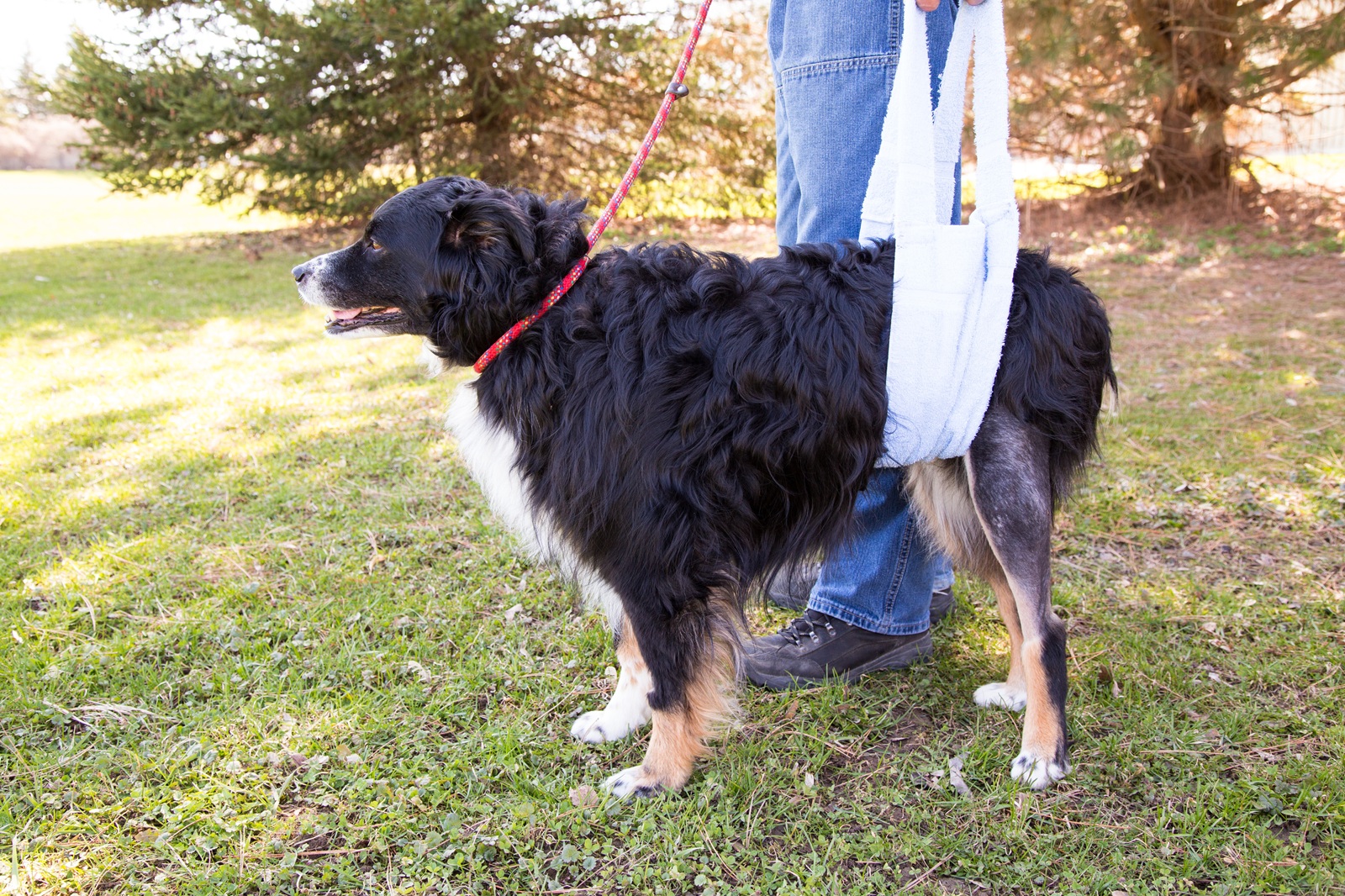
Understanding knee injuries in dogs — FAQ.
If your dog is limping, favoring a leg, or struggling to rise, these may be indications of a knee injury. Other signs to watch for include holding one leg up while walking or standing, limping or showing stiffness after activity, difficulty with stairs or jumping, sensitivity or pain when the knee area is touched, decreased activity levels, particularly after exercise, and noticeable swelling around the stifle joint. Sudden symptoms may suggest a torn ligament, while gradual signs could indicate wear-and-tear degeneration.
At BluePearl Town 'N' Country, our surgical team follows a comprehensive approach to diagnose knee injuries. We begin by reviewing your veterinarian’s findings and any x-rays that have been taken. A thorough physical exam and orthopedic assessment of your pet will be conducted, followed by advanced imaging techniques to confirm the diagnosis and rule out other potential causes. Based on your pet’s age, activity level, and overall health, we will recommend the most suitable treatment options, whether that involves surgery or alternative therapies.
The treatment for knee injuries in dogs varies based on the type and severity of the injury. Common treatment approaches include tibial plateau leveling osteotomy (TPLO) surgery, which is particularly effective for medium-to-large dogs with cranial cruciate ligament (CrCL) tears. For smaller dogs, lateral suture stabilization is often recommended. Additionally, surgical correction for patellar luxation may be necessary to realign the kneecap. For mild injuries or as a pre-surgical preparation, pain management and restricted activity may be advised. Our team will guide you through the risks, benefits, and expected recovery timeline for each treatment option.
If you notice any signs of a knee injury in your dog, such as limping, favoring a leg, or showing discomfort when moving, it is crucial to contact your family veterinarian promptly. Early intervention can help prevent further injury and ensure your pet receives the appropriate care and treatment needed for a successful recovery. At BluePearl, we are here to assist with specialized orthopedic care for your furry friend.
Related articles.