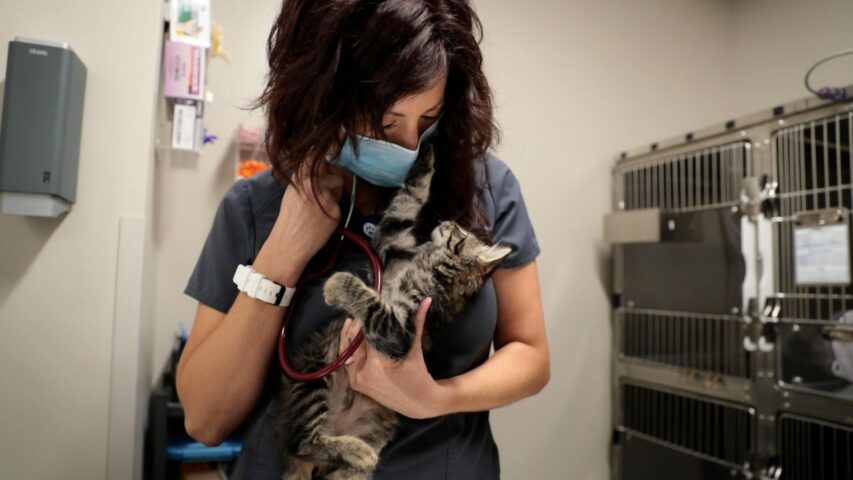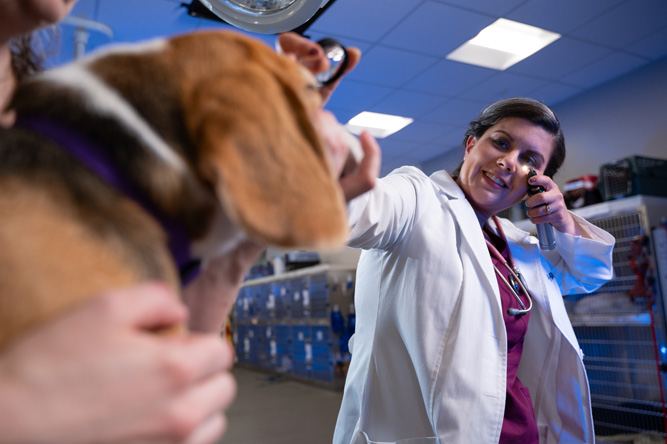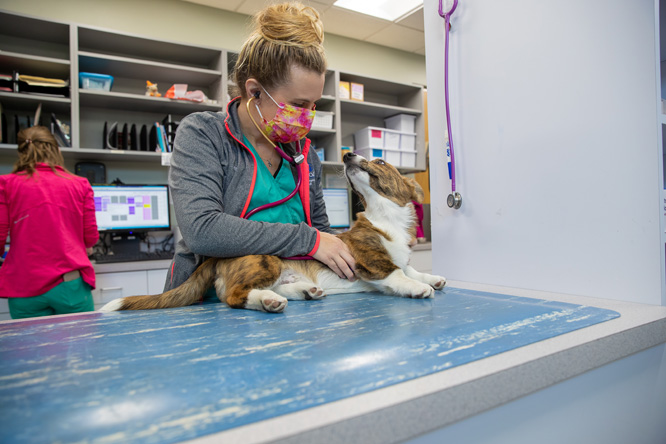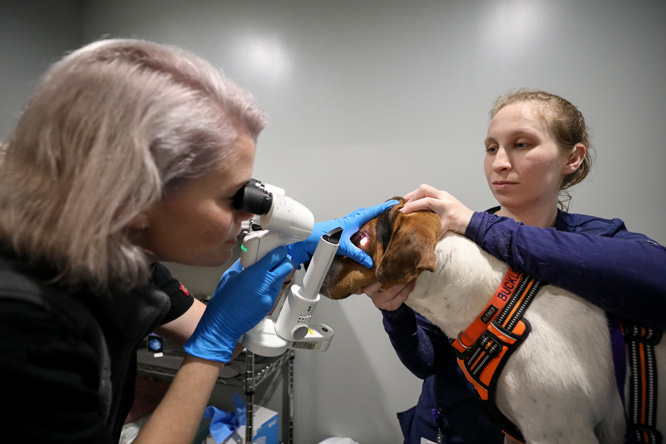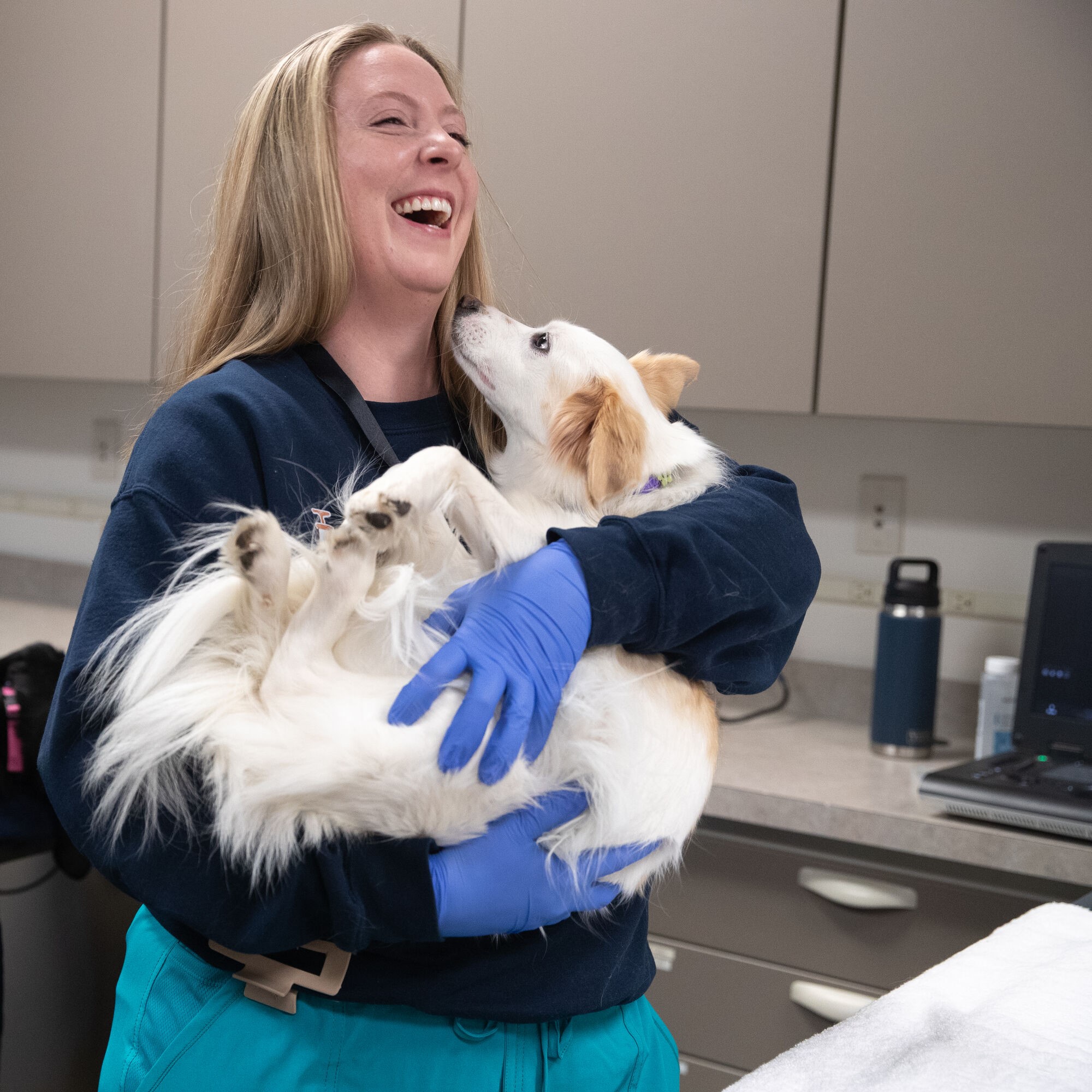
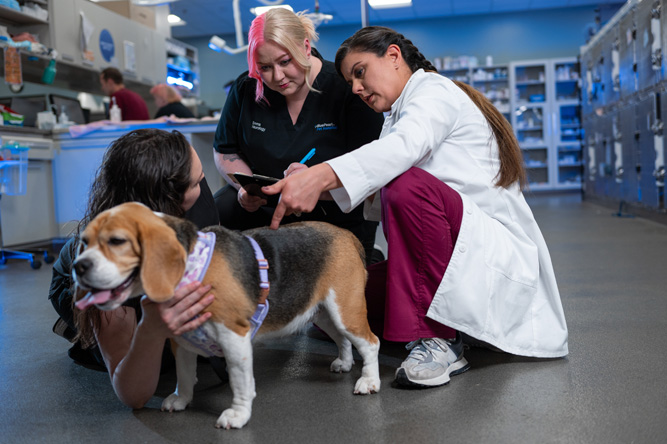
We understand that seeing your pet experience unusual symptoms or act out of the ordinary can be stressful – especially if you don’t know what’s wrong. Fortunately, our veterinary neurology team is made up of experts in diagnosing and treating diseases of the nervous system, and we’re here to help.
Our commitment is not just to treat illnesses; it’s to enhance the well-being of your pet and be with you every step of the way.
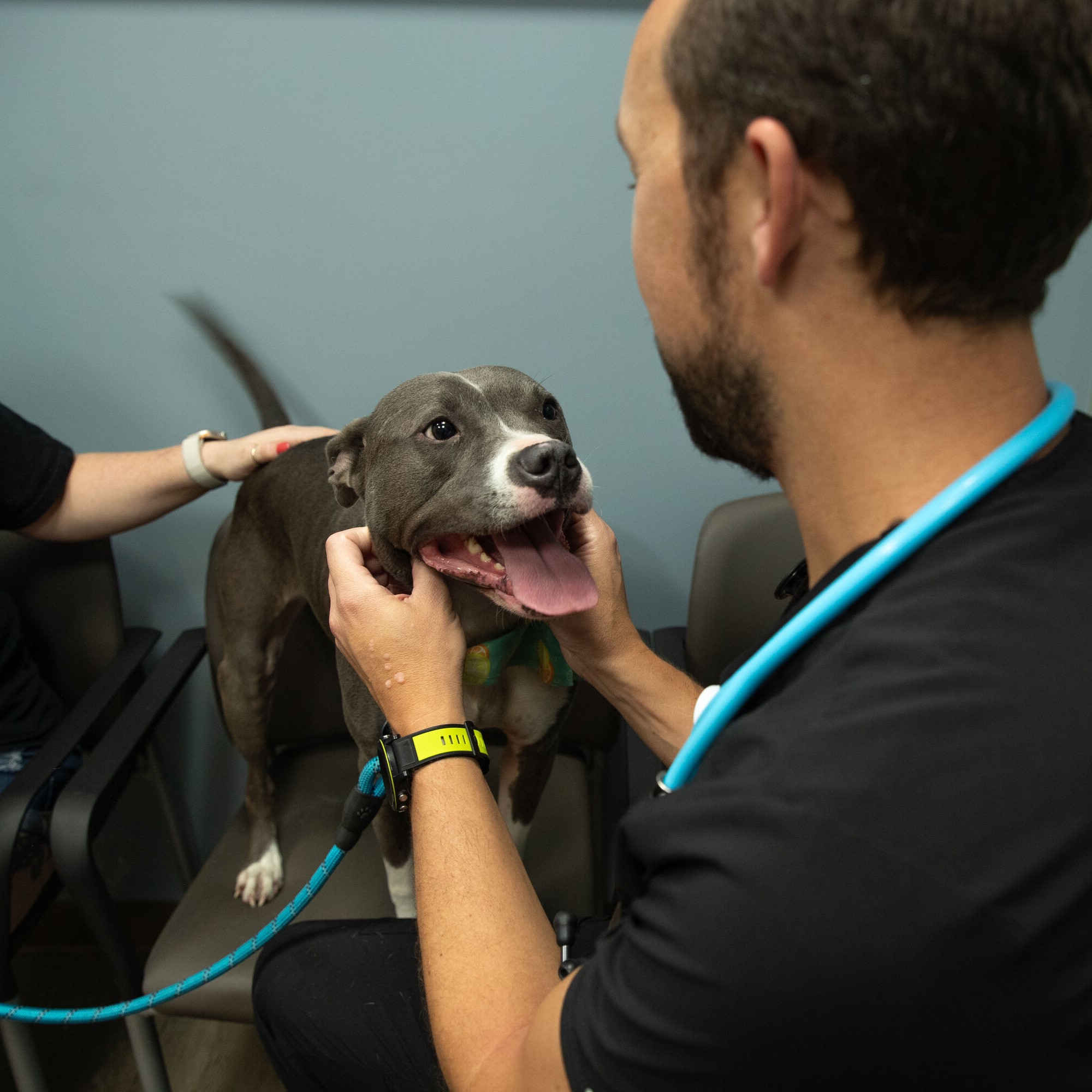
Conditions we treat.
If your pet has a neurological condition, you’ll have an entire neurology team helping to improve your pet’s quality of life so you can get back to what matters most – spending precious moments together.
Epilepsy and other seizure disorders
Brain and spinal cord trauma
Disc herniation and other lumbosacral disorders
Brain tumors
Neuromuscular disease
Encephalitis
Meningitis
Services we offer.
Your pet will receive unparalleled medical care during their time at the hospital (and they’ll be spoiled with love and attention, too).
Advanced diagnostics
Your pet can’t tell us what’s wrong, so our neurology team uses advanced diagnostics and imaging tools to uncover the source of the problem.
MRI
CT
Cerebrospinal fluid (CSF) analysis
Radiography (x-rays)
Electrodiagnostic testing
Nerve and muscle biopsies
Treatment plans
Just as no two patients are the same, neither are their treatment plans. Our neurology team has experience with a range of advanced procedures and minimally invasive options to get your pet on the path to wellness, including:
Medication
Rehabilitation
Neurosurgery
Our board certified specialists and neurology team.
Experience makes all the difference.
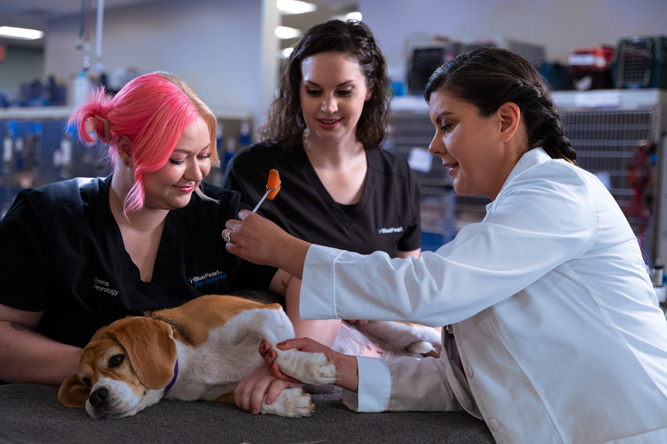
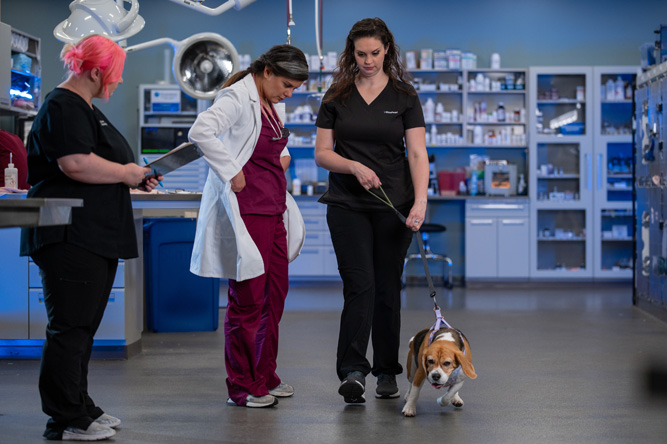
Our neurology team is made up of veterinarians, vet technicians and assistants, and support staff with rigorous training and experience in specialty medicine. The team works hand in hand to provide the comprehensive, compassionate care your pet needs and deserves. Because we’re a multidisciplinary hospital, the team can consult the expertise of other specialty departments, too.
We want you to be prepared for your pet’s visit to the neurologist, so you have one less thing to worry about. Our entire BluePearl team will be with you every step of the way.
Before your visit
Make an initial appointment by calling us directly or via referral from your pet’s primary vet.
We’ll request records from your primary or emergency vet before your first visit and collaborate with them to discuss your pet’s history and current condition.
During your visit
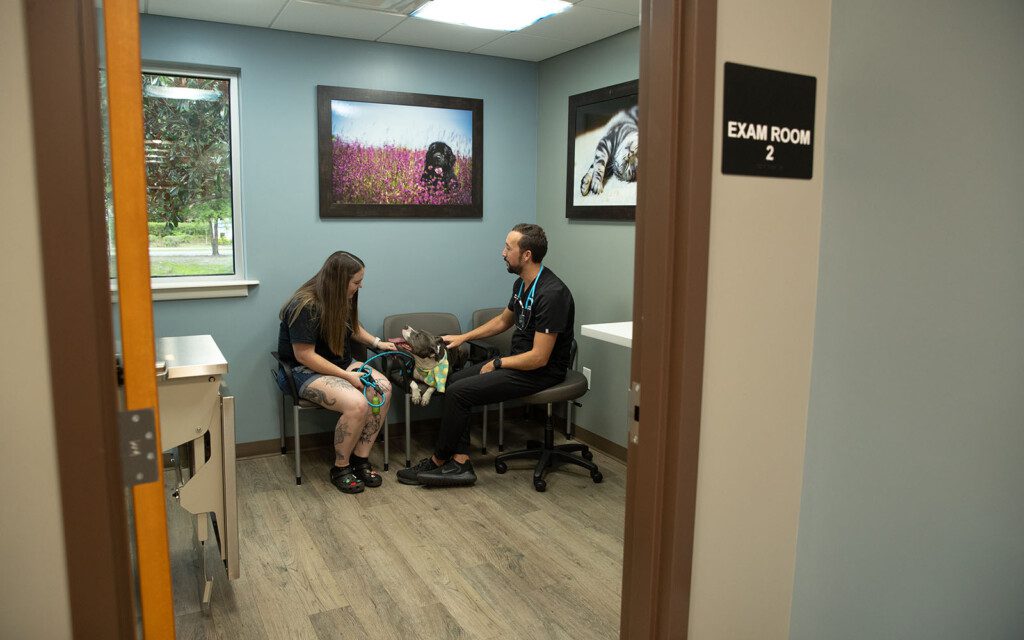
When possible, we’ll examine your pet with you by their side to make them more comfortable. If additional tests are needed for a diagnosis, we’ll discuss those options with you.
You’ll have plenty of time and opportunity to ask questions as we go over your pet’s diagnosis together.
Before you leave, you’ll receive a detailed treatment plan, discharge instructions and any recommended medications. We’ll schedule a recheck appointment and make sure you’re aware of any symptoms you should watch out for at home.
After your visit
Our team will continue to partner with your primary veterinarian as part of the ongoing management of your pet’s care.
You know your pet better than anyone, and you play a crucial role in their treatment plan. If you have any concerns about providing care at home (such as giving medication, maintaining a specific diet or monitoring your pet’s symptoms), let us know – we’re here for you.
Frequently asked questions.
Veterinary neurologists diagnose and treat conditions affecting the brain, spinal cord, nerves and muscles. These specialists manage complex neurological issues such as seizures, spinal cord injuries, balance problems and paralysis. Using advanced diagnostic imaging and specialized testing, they develop customized treatment plans to help pets regain comfort, mobility and quality of life.
Your pet may need to see a neurologist if they show signs such as seizures, loss of balance, weakness, difficulty walking or unexplained pain. A referral from your family veterinarian is often recommended when neurological disease or spinal injury is suspected so that our specialists can perform advanced testing and treatment, though we also accept appointments without a referral as well.
Signs of neurological problems can include seizures, head tilting, stumbling, weakness in the legs, tremors, loss of coordination or sudden behavioral changes. If you notice any of these symptoms, contact your primary veterinarian or your nearest BluePearl hospital for evaluation as soon as possible.
During a neurological exam, our specialists assess your pet’s coordination, reflexes, balance and muscle strength. This exam helps localize where in the nervous system a problem may be occurring, such as the brain, spinal cord, or nerves, and guides decisions about which diagnostic tests are needed next.
Neurologists use a range of advanced diagnostic tools, including MRI and CT imaging, spinal taps (CSF analysis), electrodiagnostic testing and bloodwork. These tests help identify issues such as inflammation, infection, disc disease or brain abnormalities so we can determine the most effective treatment options.
An MRI (magnetic resonance imaging) is a powerful, noninvasive tool that creates detailed images of your pet’s brain and spinal cord. Neurologists use MRI to detect problems like slipped discs, tumors, strokes or inflammation that can’t be seen with x-rays alone. MRI results are key to forming an accurate diagnosis and treatment plan.
Many neurological conditions can be treated or effectively managed. At BluePearl, our neurologists offer both medical and surgical treatments depending on the diagnosis. Some conditions, such as intervertebral disc disease, may improve with surgery and rehabilitation, while others, like epilepsy, can often be controlled with lifelong medication and monitoring.
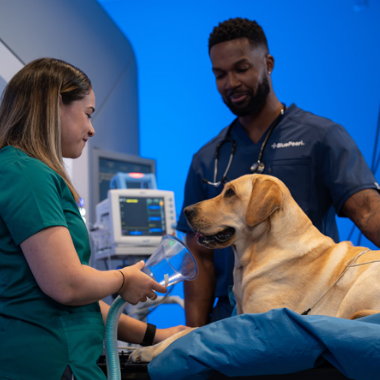
Some neurological tests, such as MRIs or spinal taps, require general anesthesia to ensure your pet stays completely still and comfortable. BluePearl’s anesthesiology teams are specially trained to support pets during these procedures, using advanced monitoring to keep them safe throughout testing.
Seizures can be caused by a variety of issues, including epilepsy, brain tumors, infections, toxins or metabolic disorders. Neurologists use specialized diagnostics to determine the cause and recommend appropriate treatment, often involving medication to help reduce or prevent future seizures.
Treatment depends on the location and severity of the injury. Neurologists may recommend medication, physical therapy or surgery to relieve pressure on the spinal cord and restore nerve function. Early diagnosis and prompt treatment are key to improving recovery outcomes.
Recovery time varies based on the condition and treatment. Some pets show improvement within days, while others may take weeks or months to regain full mobility or coordination. At BluePearl, our neurology and rehabilitation teams work together to monitor progress and support your pet’s recovery every step of the way.
Bring your pet’s medical history, current medications and any recent test results or imaging from your primary veterinarian. If possible, video recordings of symptoms, such as seizures or gait changes, can also help our neurologists better understand what’s happening at home.
Yes, many pets with neurological disorders can live happy, fulfilling lives with proper care and management. BluePearl neurologists help pet owners navigate long-term treatment options, such as medication, physical therapy or assistive devices, to maintain comfort and quality of life.
Make an appointment.
Take the first step to getting your pet back to their best self – call us to speak with the neurology team and make an appointment.
Prioritize your pet’s health with the experts in specialty medicine.