
Occasional stomach upset is common in pets. But when vomiting, diarrhea, or appetite loss becomes routine, it’s time to investigate. At BluePearl Peoria, our internal medicine specialists help diagnose the root cause of chronic gastrointestinal (GI) symptoms, so your pet can feel better and get back to normal.
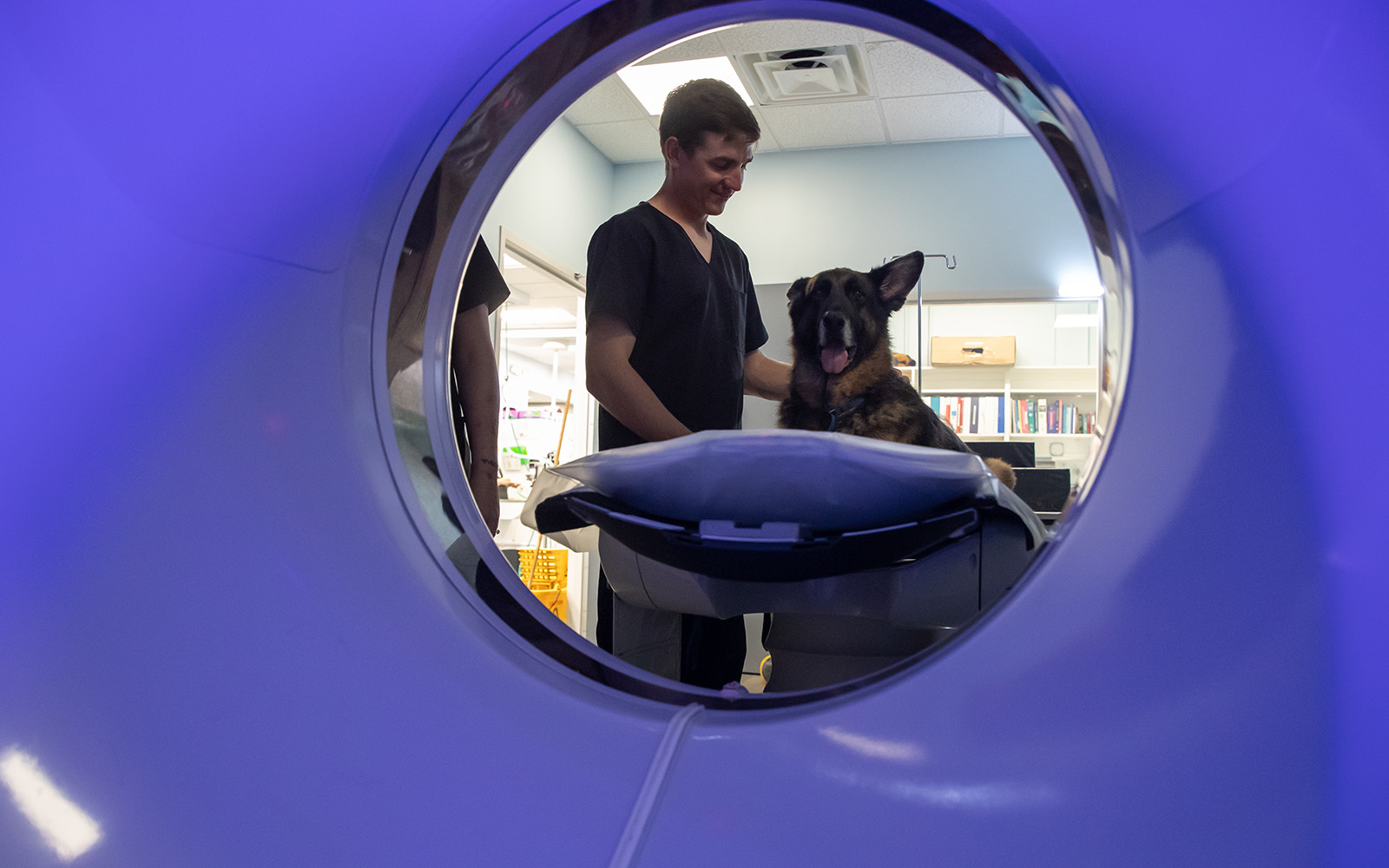
Signs of a chronic GI problem.
Call your family vet or an internist if your dog or cat:
- Vomits regularly (weekly or more)
- Has loose stools or diarrhea for more than 48 hours
- Loses weight despite eating normally
- Shows signs of nausea or abdominal pain
- Eats grass, avoids food, or seems lethargic after meals
- Has blood in vomit or stool
What might be causing GI issues?
Chronic GI symptoms can stem from:
- Inflammatory bowel disease (IBD)
- Food sensitivities or protein intolerance
- Parasites or infectious diseases
- Pancreatitis or liver dysfunction
- GI cancer or structural abnormality
- Poor gut motility or absorption
How BluePearl Peoria investigates GI disease.
Our internal medicine team offers:
- Abdominal ultrasound
- GI panel and blood work
- Endoscopy and biopsies
- Diet trials and allergy testing
- Fecal cultures and parasite screening
Once we understand the cause, we build a treatment plan around your pet’s long-term health and comfort.
Chronic gastrointestinal issues in pets at BluePearl Peoria — FAQ.
While occasional stomach upset is normal in pets, persistent symptoms such as regular vomiting (occurring weekly or more), diarrhea lasting over 48 hours, or unexplained weight loss despite normal eating habits warrant further investigation. Additional signs that may indicate a chronic gastrointestinal (GI) problem include nausea, abdominal pain, lethargy after meals, eating grass, avoiding food, or the presence of blood in vomit or stool. If you notice any of these symptoms, it's advisable to consult your family veterinarian or an internal medicine specialist.
Chronic gastrointestinal symptoms in pets can arise from a variety of underlying conditions. Common causes include inflammatory bowel disease (IBD), food sensitivities or protein intolerance, and infections caused by parasites. Other potential issues include pancreatitis, liver dysfunction, GI cancer, structural abnormalities, or problems with gut motility and absorption. Identifying the specific cause is crucial for effective treatment and management.
At BluePearl Peoria, our internal medicine specialists employ a range of diagnostic tools to uncover the root cause of chronic GI symptoms. We utilize abdominal ultrasounds, comprehensive GI panels, and blood work to gather detailed information. Endoscopy and biopsies may be conducted for a closer examination of the GI tract. Additionally, diet trials and allergy testing help identify food-related issues, while fecal cultures and parasite screenings check for infections. Once we determine the cause, we develop a personalized treatment plan focused on your pet's long-term health and comfort.
After diagnosing the specific GI condition affecting your pet, our team at BluePearl Peoria creates a tailored treatment plan designed to address the root cause and promote your pet's overall well-being. This plan may involve dietary adjustments, medication, or other therapeutic interventions aimed at alleviating symptoms and improving your pet's quality of life. Our goal is to ensure your pet feels better and returns to their normal, happy self.

Related articles.