Veterinary Cardiology by BluePearl Southfield MI

BluePearl Pet Hospital
Southfield, MI
Cardiology

24/7 Emergency and Specialty

Pet cardiology by BluePearl.

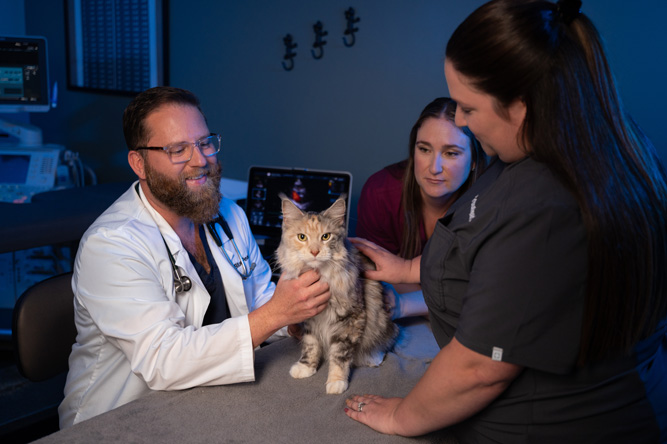
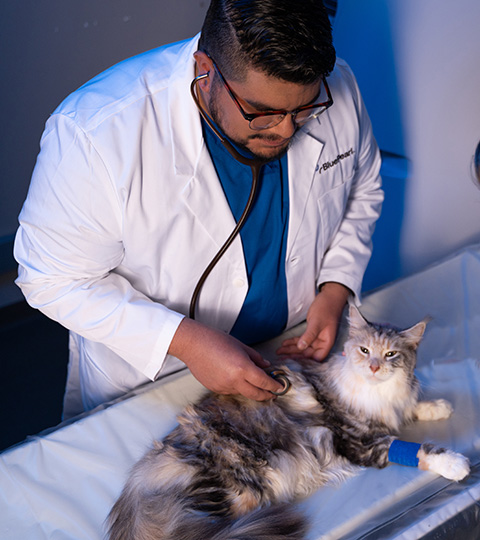
A veterinarian examines a cat using a stethoscope.

Conditions treated

Learn which conditions our specialty team can help diagnose and treat, so your pet gets the right care for their needs.
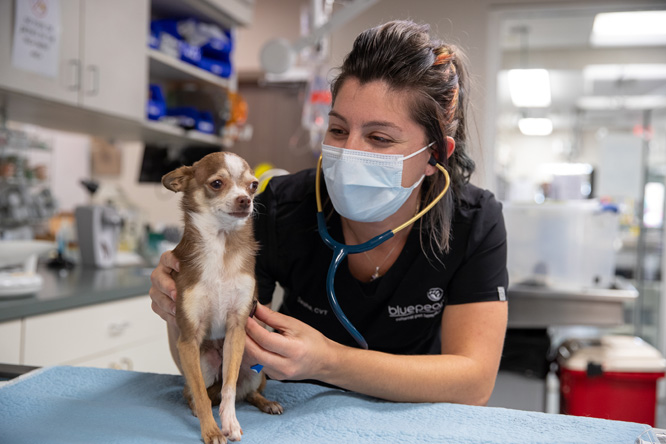
A BluePearl cardiologist listens to a small dog’s chest through a stethoscope on an exam table.

Success stories

Discover how other pets have overcome their diagnoses with specialized care, giving you hope for your pet’s recovery.
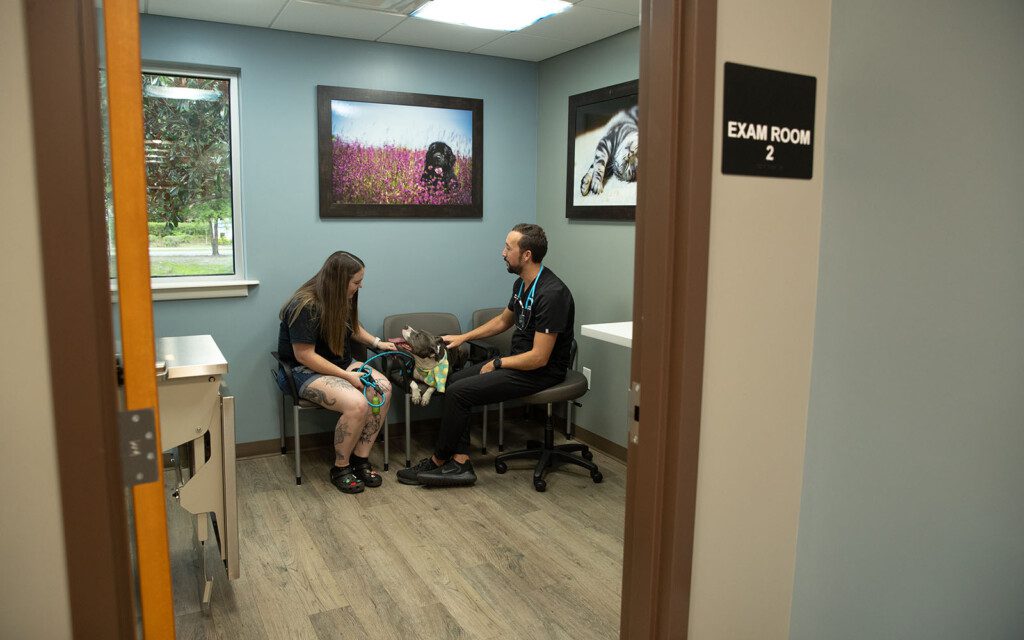
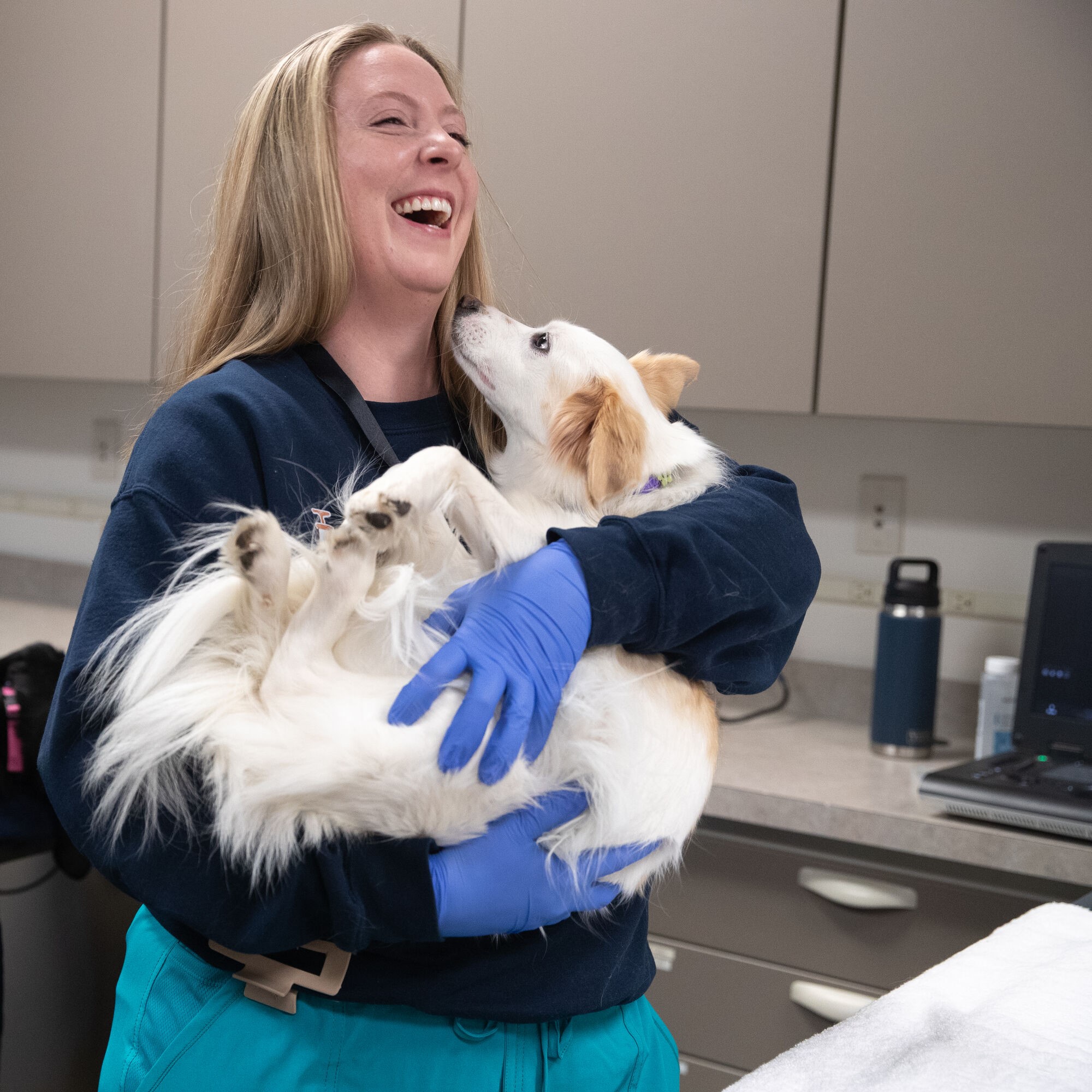
A veterinarian meets with a client and her medium sized white and grey dog in a comfortable, welcoming exam room.

Request appointment

Take the next step toward answers and treatment by scheduling a specialty consultation for your pet.

Advanced veterinary expertise you can trust.

We understand that seeing your pet experience unusual symptoms or act out of the ordinary can be stressful – especially if you don’t know what’s wrong. Fortunately, our veterinary cardiology team is made up of experts in diagnosing and treating diseases of the heart, and we’re here to help.

Our commitment is not just to treat illnesses; it’s to enhance the well-being of your pet and be with you every step of the way.
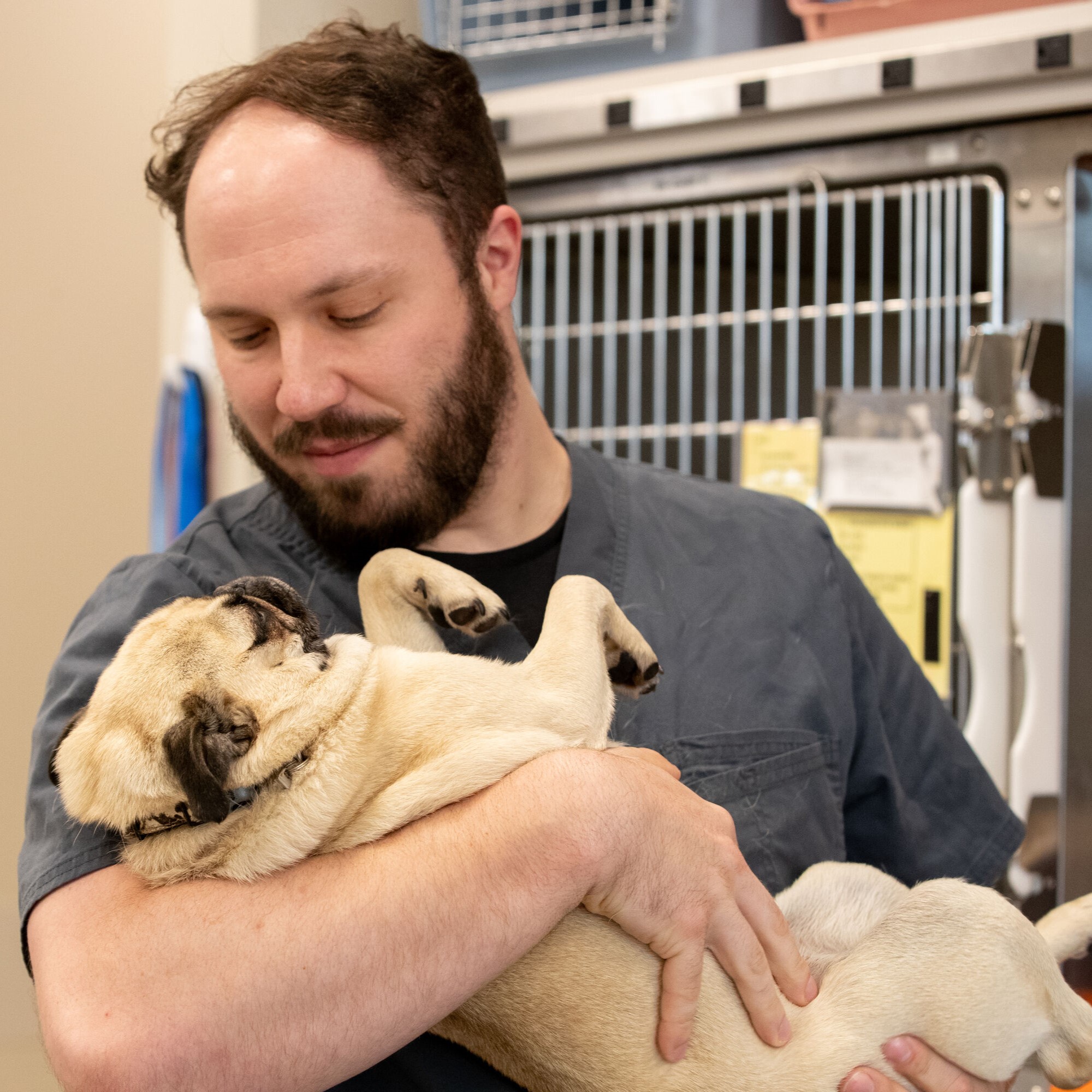
Veterinarian holding a pug

Conditions we treat.

A BluePearl anesthesiology and pain management vet prepares to fix an anesthetic facemask on a yellow lab while a vet tech helps hold the dog on the exam table.

If your pet has a cardiovascular condition, you’ll have an entire cardiology team helping to improve your pet’s quality of life so you can get back to what matters most – spending precious moments together.

  • Heart disease
  • Heart failure
  • Heart murmurs
  • Heart muscle (myocardial) disease
  • Abnormal heartbeat (arrhythmia) and gallop sounds
  • Blood clots (thromboembolism)
  • Collapse (syncope)
  • Congenital (from birth) heart defects
  • Degenerative valve disease
  • Enlarged heart (cardiomegaly)

Services we offer.

Your pet will receive unparalleled medical care during their time at the hospital (and they’ll be spoiled with love and attention, too).

Advanced diagnostics

Your pet can’t tell us what’s wrong, so we use sophisticated diagnostics and imaging tools to uncover the source of the problem.
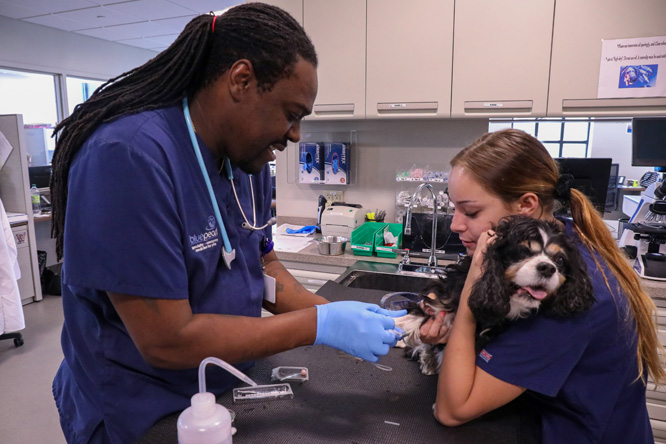
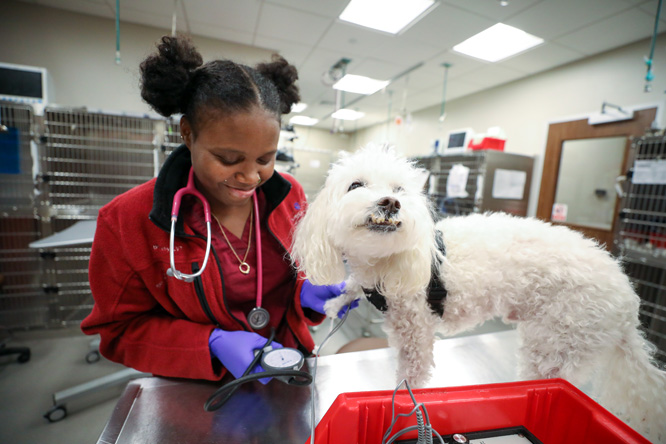
  • Echocardiography (ultrasound of the heart) – including Doppler and contrast
  • Blood pressure measurement
  • Radiography (x-rays)
  • Electrocardiography (ECG) – 6-lead
  • Atropine response testing (to confirm the cause of a heart block)
  • Holter monitoring (portable 24-48 hour ECG)


Our board certified specialists and cardiology team.

Experience makes all the difference. 

Our cardiology team is made up of veterinarians, vet technicians and assistants, and support staff with rigorous training and experience in specialty medicine. The team works hand in hand to provide the comprehensive, compassionate care your pet needs and deserves. Because we’re a multidisciplinary hospital, the team can consult the expertise of other specialty departments, too.

Sarah Achen

DVM, DACVIM (Cardiology)
Board Certified in Veterinary Cardiology

Cardiology
On the job

Dr. Sarah Achen is particularly interested in acute and chronic heart failure therapy, management of arrhythmias, and interventional cardiology, including transvenous pacemaker therapy and non-invasive treatment of congenital heart disease. She is experienced in treating myocardial (heart muscle) heart disease, including hypertrophic cardiomyopathy (HCM), dilated cardiomyopathy, arrhythmogenic cardiomyopathy, infectious/inflammatory myocarditis, and more. She also enjoys clinical research and teaching.

Education
  • Diplomate, American College of Veterinary Internal Medicine (Cardiology)
  • Residency, Cardiology, Texas A&M University, College Station
  • Internship, Small Animal Medicine & Surgery, Michigan Veterinary Specialists, Southfield
  • Doctor of Veterinary Medicine, The Ohio State University, Columbus
  • Bachelor of Science, University of Toledo, OH
Off duty

Dr. Achen spends her off duty time chasing after her two young boys with her husband. She enjoys traveling with her family, decorating cakes and exercising. She has a golden retriever named Dori and an orange tabby cat named Bubaloo.

What to expect.

We want you to be prepared for your pet’s visit to the cardiologist, so you have one less thing to worry about. Our entire BluePearl team will be with you every step of the way.
Before your visit

  • Make an initial appointment by calling us directly or via referral from your pet’s primary vet.
  • We’ll request records from your primary or emergency vet before your first visit. This is essential for your first appointment because it allows us to know more about your pet’s history and current condition.

During your visit

  • If additional tests are needed for a diagnosis, we’ll discuss those options with you.
  • You’ll have plenty of time and opportunity to ask questions as we go over your pet’s diagnosis together.
  • Before you leave, you’ll receive a detailed treatment plan, discharge instructions and any recommended medications. We’ll schedule a recheck appointment and make sure you’re aware of any symptoms you should watch out for at home.

After your visit

  • Our team will continue to partner with your primary veterinarian as part of the ongoing management of your pet’s care.
  • You know your pet better than anyone, and you play a crucial role in their treatment plan. If you have any concerns about providing care at home (such as giving medication, maintaining a specific diet or monitoring your pet’s symptoms), let us know – we’re here for you.

Frequently asked questions.

A veterinary cardiologist is a specialist who diagnoses and treats heart and blood vessel conditions in pets. They use advanced tools like echocardiograms, electrocardiograms (ECG), and x-rays to identify heart disease and create tailored treatment plans that help pets live longer, more comfortable lives.
Treatment for a heart murmur depends on its cause and severity. A cardiologist will first determine whether the murmur is harmless or related to an underlying heart condition. If treatment is needed, it may include medication, diet changes or monitoring. Regular follow-ups ensure your pet’s heart health stays on track.
An echocardiogram is a painless ultrasound of your pet’s heart. During the visit, your pet will lie comfortably on a padded table while the cardiologist uses sound waves to create moving images of the heart. This test helps assess heart function, valves, and blood flow with no anesthesia or recovery time needed.
Your pet should see a cardiologist if your primary veterinarian detects a heart murmur, irregular heartbeat, or signs of heart disease such as coughing, rapid breathing, fainting or decreased activity. Early referral can help diagnose problems before they become serious and improve long-term outcomes.
Treatment for heart failure focuses on improving heart function and your pet’s quality of life. Cardiologists may prescribe medications to help the heart pump more efficiently, reduce fluid buildup and ease breathing. Ongoing monitoring and adjustments to the treatment plan help manage the disease over time.
Pets are referred to a cardiologist when heart disease, murmurs, or rhythm abnormalities are suspected. These specialists have advanced training and equipment to accurately diagnose heart conditions and provide the most effective treatment options available.
Costs vary based on the diagnostic tests and treatments your pet needs. Your veterinary team can provide an estimate before testing begins so you know what to expect.
Common signs of heart disease include coughing, rapid or labored breathing, weakness, fainting, decreased stamina, or a swollen abdomen. If your pet shows any of these symptoms, contact your veterinarian right away for evaluation.
Yes, many pets with heart disease can live happy, active lives with proper care and monitoring. Medications, diet changes, and regular checkups with a cardiologist can help manage symptoms and slow disease progression.
Bring your pet’s medical history, current medications, and any previous test results. Most pets don’t need sedation or fasting before an appointment, but check with the cardiology team for specific instructions. Keeping your pet calm and comfortable will help make the visit go smoothly.
No. While we do work closely with primary care veterinarians and accept referrals, you can also make an appointment directly with the hospital, no referral needed. Once care is established, we'll keep your primary vet updated on your pet's condition and treatments. If your vet has noticed heart concerns, they can share test results with the cardiologist to support your pet’s evaluation.

Success stories.

“I feel like taking him to BluePearl and having him meet with the cardiologist made me feel less worried. He has a really good chance to continue to have a good, comfortable, happy life. That was what I wanted. I know he’s 11 but I would like him to live to be 15.” Read Devo's story.
“We were moving with a newly diagnosed and very sick animal. It made us feel safe that we had a doctor here with BluePearl. They could collaborate. They had the records. We were going to be in good hands.” Read JackJack's story.